The early bird may not only catch the proverbial worm but also have a healthier heart, new research suggests.
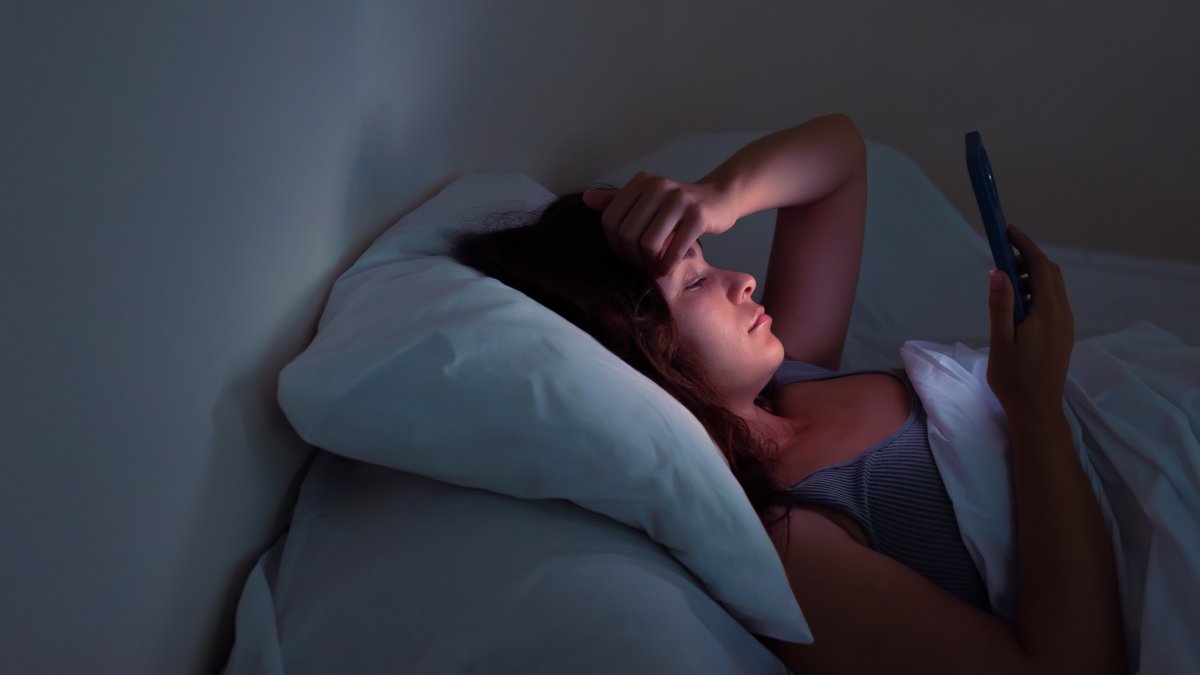
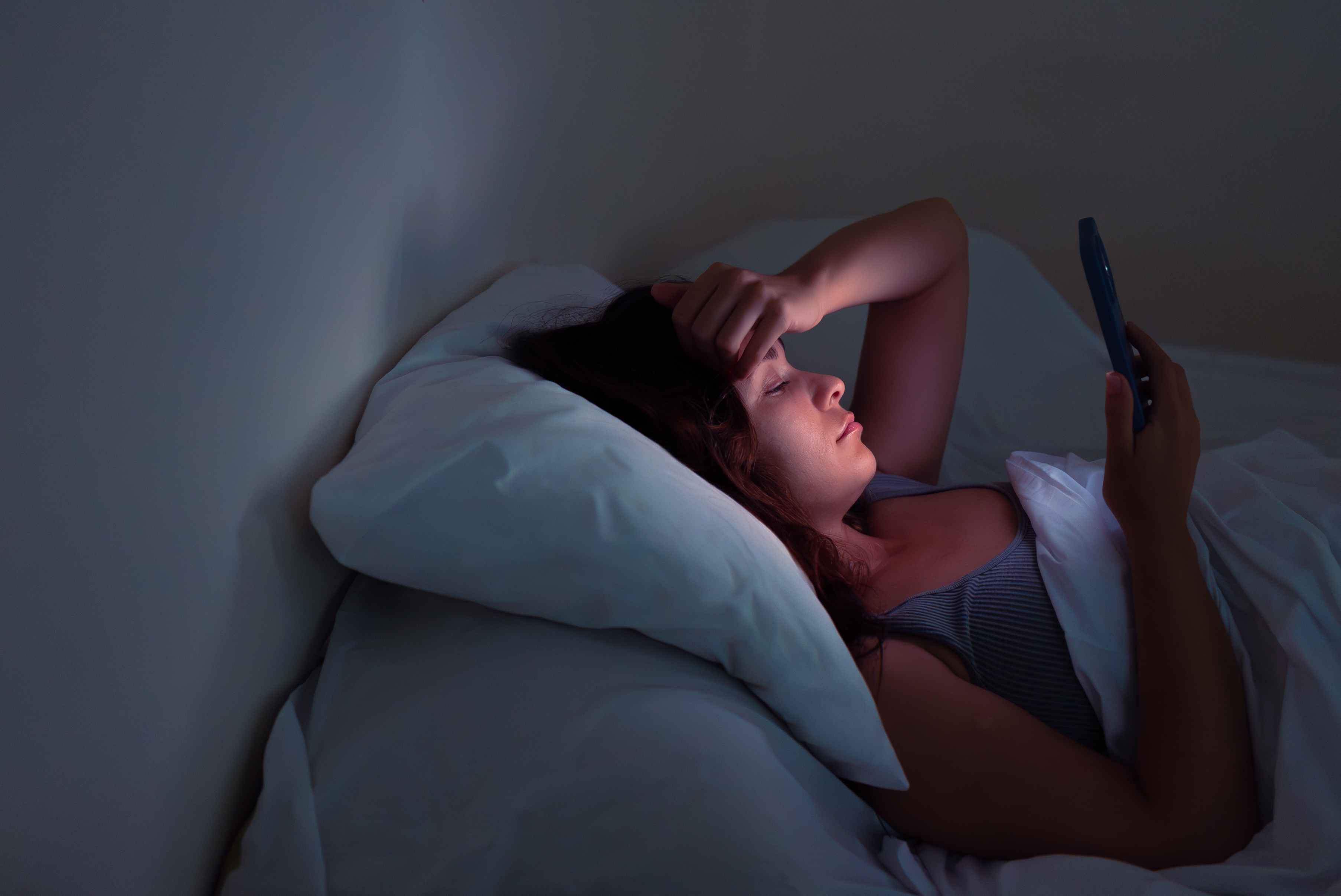
People who naturally stay up late, self-described night owls, are likelier to have poor heart health than people with more traditional sleep-wake schedules, according to a study published Wednesday in the Journal of the American Heart Association.
The findings were particularly strong among women.
Researchers assessed the health and behaviors of nearly 323,000 adults in the UK Biobank, a comprehensive research database that recruited people from 2006 to 2010. Participants, whose average age was 57, completed a questionnaire about their chronotypes, a way of categorizing people by the time of day when they’re naturally most energetic and active.
“Research is increasingly showing that when our internal body clock is out of sync with daily schedules, it can affect cardiometabolic health,” said lead author Sina Kianersi, a research fellow in the division of sleep and circadian disorders at Brigham and Women’s Hospital and Harvard Medical School.
About 24% of respondents said they considered themselves to be a “morning person,” while 8% said they were an “evening person.” The 67% majority, which researchers dubbed the “intermediate” group, said they fell somewhere in between.
Kianersi’s team used the American Heart Association’s Life’s Essential 8 metrics to award each participant a heart health score from zero to 100, with a higher score indicating a healthier heart. The behaviors that affect biological aging are sleep quality, weight, nutrition, blood sugar, blood pressure, cholesterol, smoking status and physical activity.
The average heart health score for all participants was 67.4. Women had better heart health than men, with scores of 70 and 65, respectively.
Compared with the intermediate group, night owls had a 79% higher prevalence of poor heart health, defined by a score below 50. Meanwhile, early birds had a 5% lower prevalence.
Across a median follow-up period of 14 years, night owls had a 16% higher risk of having heart attacks or strokes compared with the intermediate group. Early birds weren’t at increased risk.
Kianersi said his research is unique in that it explores chronotype in relation to multiple facets of a person’s heart health.
“It’s not just that chronotype alone has something that raises night owls’ risk for cardiovascular disease,” he said, “but it is through that profile, or that poor cardiovascular health, that it causes that increased [heart disease] risk.”
Sleep is vital for heart health
Heart disease has been the leading cause of death in the U.S. for more than a century, killing one person every 34 seconds, according to the American Heart Association (AHA).
Though a number of studies have tied poor sleep hygiene to an increased risk of death, the AHA didn’t incorporate sleep into its pillars of cardiovascular health until 2022. In a paper that year, the organization noted that too little sleep — or too much — is associated with coronary heart disease.
The AHA recommends adults get an average of seven to nine hours of quality sleep every night to maintain optimal heart health.
The purpose of sleep is to prepare the brain and the body for wakefulness, said Dr. Maha Alattar, medical director of the VCU Health Center for Sleep Medicine in Richmond, Virginia. But that deep rest goes beyond keeping a person alert the next day.
“When we go to sleep, we go into physiological processes that actually help us regenerate some of our tissues, brain neurotransmitters — we kind of reset ourselves,” said Alattar, who wasn’t part of the study. “Every single biological cell and tissue in the body depends on sleep to be able to maintain itself during wakefulness.”
Over time, insufficient, inconsistent or low-quality sleep may lead to myriad medical problems. For example, a person operating on a sleep deficit may have higher levels of stress hormones, such as cortisol, which can contribute to the formation of heart disease, Alattar said.
Previous research has estimated that 8% to 11% of middle-aged and older adults have the evening chronotype.
In the study, night owls had a higher likelihood of poor scores in six of the eight categories, including sleep. In addition, researchers observed the strongest associations between the evening chronotype and low scores in two categories: sleep and nicotine exposure.
Dr. Shady Abohashem is the head of cardiac PET/CT imaging trials at Massachusetts General Hospital. While he wasn’t involved in this study, he researches how sleep deficiency affects heart health and said night owls needn’t panic.
Statistically, the link between evening chronotype and increased likelihood of poor heart health was “modest, not dramatic,” he said. In addition, the study used relative risk, comparing night owls’ risk to that of the intermediate group. Absolute risk, on the other hand, reflects the risk of an entire population.
“Being a night owl is not going to doom your heart,” Abohashem said.
How can night owls improve heart health?
Dr. Phyllis Zee, director of the Center for Circadian and Sleep Medicine at Northwestern University’s Feinberg School of Medicine, calls herself a “flexible owl.” That is, she can stay up late or wake up early as needed.
The good news, Zee said, is the unhealthy behaviors common to night owls that contribute to poor heart health are modifiable. The downside is some of them are harder to change than others.
Nicotine, for example, isn’t just bad for the heart, said Zee, who wasn’t part of the study. It’s also a stimulant, which can alter a person’s circadian rhythm.
“Get your seven to eight hours’ sleep, stop smoking, increase your physical activity levels during the day,” Zee said. “All of these things will help you maintain better-quality sleep.”
She added, “Even for night owls, stop eating by 8 o’clock, at least three hours before you fall asleep.”
Proper light exposure is also critical to sleep health, Zee said. Everyone, regardless of chronotype, should be exposed to natural or blue light in the morning and dim or amber light in the evening. Zee recommends turning down the lights two to three hours before bedtime to allow for a natural rise in the sleep hormone melatonin.
Alattar said morning sunlight exposure helps trigger sleep about 16 hours later, which is why it can be difficult to go to bed on time after having slept in. She also advised stopping caffeine 12 hours before bedtime.
The observational study has several limitations. It was restricted to mostly white, middle-aged and older adults who self-reported their chronotypes. In addition, the heart health metrics represent a single point in time.
Kianersi is now studying the genetics behind chronotypes and said more research is needed to understand why the link between chronotype and heart health was stronger among women.
Alattar said the evening sleep chronotype, or delayed sleep-wake syndrome, isn’t curable, but it is manageable. Such research can offer insight into and help reduce stigma for night owls, who operate outside societal norms.
“Society thinks of [night owls] as lazy,” Alattar said. “They’re not lazy; just their rhythm is off.”
Anxious about a big event the next day and can’t fall asleep? High Performance Psychologist and host of “The Finding Mastery” Podcast, Michael Gervais shares his tips to get to sleep.