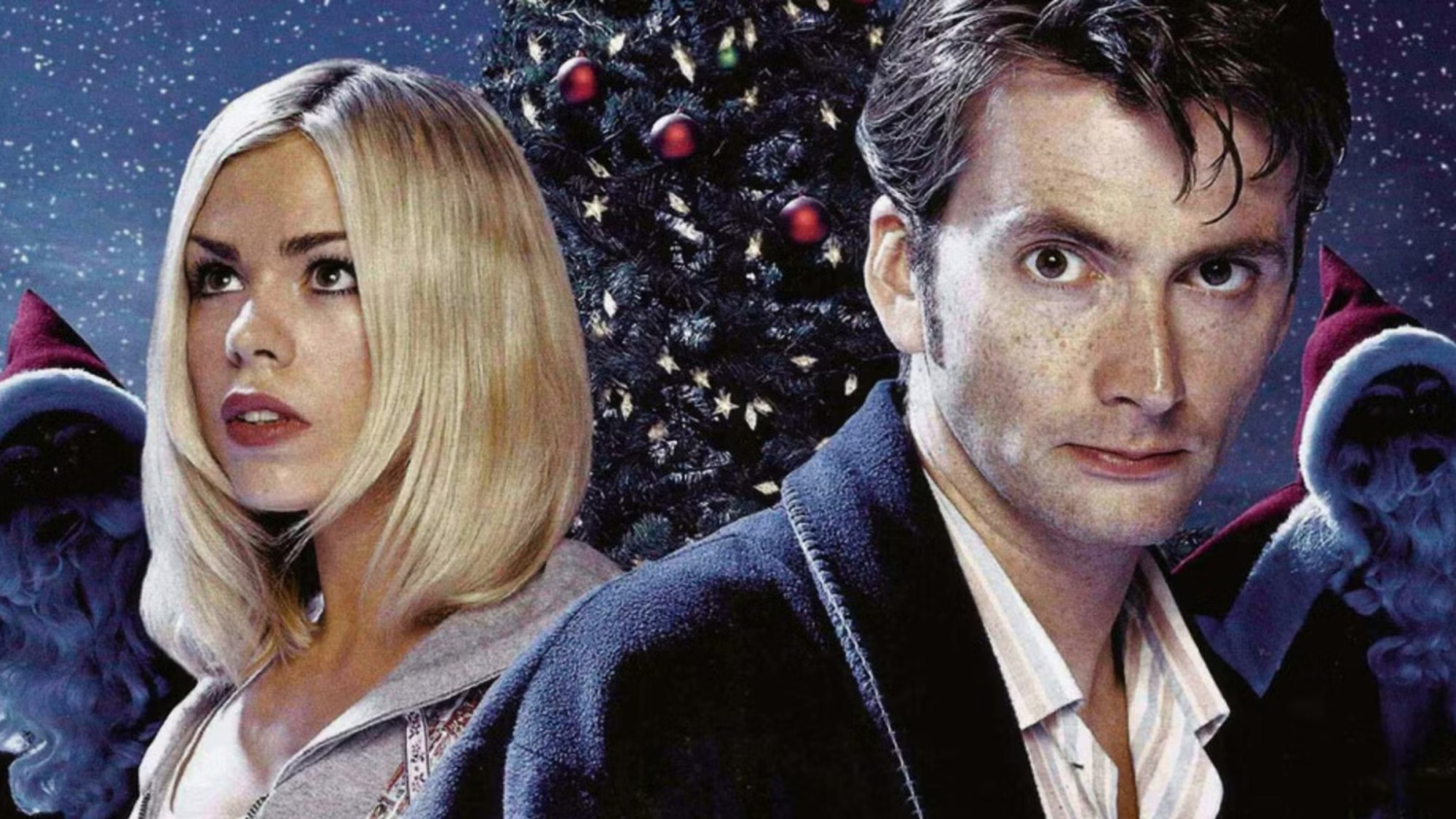
In 2005, Russell T. Davies brought Doctor Who back; in 2026, he’s left it in the worst state it has ever been in. For months, there’s been intense debate about the future of Doctor Who. Attentive fans noted that production was yet to start on this promised 2026 Christmas Special, leading to speculation it wouldn’t happen. That’s now been confirmed; the BBC has officially cancelled the Doctor Who Christmas Special, putting the show up for competitive tender.
Perhaps this shouldn’t be a surprise. Back in February, the BBC’s Director of Drama, Lindsay Salt, committed to Doctor Who‘s future while noting major concerns about the show’s funding model. In truth, the last couple of seasons have only happened because of Disney money; that partnership fell through, and the BBC simply doesn’t have the cash to pay for an increasingly-expensive sci-fi TV show. It’s not quite a cancellation – the BBC still believe in the brand, and want Doctor Who to continue – but it’s only one step removed.
What Went Wrong With Doctor Who?
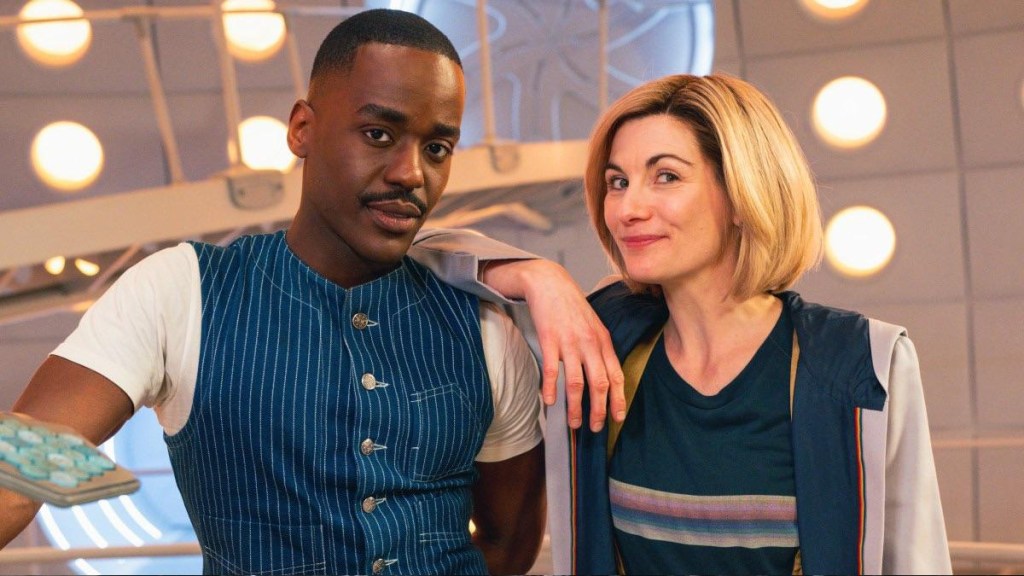
Realistically, this has been coming for a long time. Speaking at the Gallifrey One fan convention back in 2022, executive producer Matt Strevens admitted the team didn’t know whether Doctor Who would be renewed after Season 13 and associated specials. In the end, it took a partnership with Disney and the return of showrunner Russell T. Davies – the man behind the show’s 2005 relaunch – to secure Doctor Who‘s future. This partnership promised to “deliver this quintessentially British show to future generations on an unprecedented scale.”
On paper, everything looked promising: Doctor Who had the biggest budget in its history, superstar Ncuti Gatwa stepped in as the Fifteenth Doctor (after specials starring fan-favorite David Tennant), and the showrunner had a proven history with this franchise. But Tennant’s return hinted at a major problem; the so-called “RTD2 era” became known for its obsession with continuity and lore. Character arcs were sacrificed in favor of Easter eggs, so much so that some proposed alternative viewing orders to straighten out the narrative. Viewership dropped, and the partnership fell through after two seasons and a spinoff.
With hindsight, the end of Doctor Who Season 15 is symptomatic of the RTD2 era’s problems. Aware the show’s future was in doubt, Davies came up with a hurried “shock regeneration” designed to tailor to old-school fans; Gatwa’s Doctor regenerated, apparently taking on the form of former companion Billie Piper. “We only cooked that up to guarantee a future when no one knew what would happen,” Davies has admitted on Instagram. It was a gimmick with no substance behind it, exploiting nostalgia in an attempt to grab attention without any narrative plan. Clearly, it didn’t work.
The Billie Piper Regeneration is a Big Problem for Doctor Who

This isn’t the first time Doctor Who has been in trouble, which partly explains why the fanbase is so devastated by this news. The BBC cancelled Doctor Who in 1989, after a period of low viewership, diminishing quality, and too much focus on continuity and lore. There was one key difference there, though; the last classic Doctor Who story, “Survival,” ended with a hastily-written scene intended as a fond farewell from Sylvester McCoy’s Seventh Doctor and Sophie Aldred’s Ace. Doctor Who was ending on TV, but “Survival” set up something fresh and new.
“There are worlds out there where the sky is burning,” the Doctor declared in such a beautiful, poetic way. “Where the sea’s asleep and the rivers dream, people made of smoke and cities made of song. Somewhere there’s danger, somewhere there’s injustice and somewhere else the tea is getting cold. Come on, Ace, we’ve got work to do.” And they did; Doctor Who‘s so-called “Wilderness Era” is known for bold stories in other mediums, several of which directly influenced the 2005 relaunch. There was still a sense of narrative momentum, one that sustained the franchise and kept fans engaged until Doctor Who‘s return.
Davies, however, ended Season 15 on a very different note. He could have chosen an open-ended regeneration, or simply no regeneration at all; just a “Survival”-esque speech. Instead, he chose a gimmick that nobody knows what to do with. Why did the Doctor apparently regenerate into Billie Piper? Is Billie Piper even the Doctor at all, given the credits were ambiguous? Davies never penned scripts for the Christmas Special, so presumably didn’t know the answers to those questions himself. And nobody can know what future Doctor Who TV stories will do with this.
Doctor Who hasn’t (quite) been cancelled. But the end of the RTD2 era is undeniably worse than “Survival,” because it saps any ability to maintain momentum with ongoing stories until a new series begins. Worse, it leaves that future series in something of a bind; viewers didn’t turn up for Davies’ nostalgia-driven approach, but a direct continuation will need to start with another nostalgia-driven story. The most likely scenario, frankly, is that whatever comes next will either ignore the regeneration completely, skipping forward to a brand new Doctor, or that it will be forced to do a Doctor Who reboot.
Davies is unrepentant. Discussing the cancelled Christmas Special, he’s openly admitted “there was no script, I never wrote it, and no actor was ever approached to play the next Doctor. You may disagree; fine, sit in that chair and wait to be proved right. You’ll wait a lonnng time.” The tone-deaf comments are unlikely to go down well, given the mastermind of Doctor Who‘s 2005 relaunch has left the show in a very bad place indeed. It’s deeply ironic; the man who did so much to bring Doctor Who back has effectively also been the one who ended this era, in the worst possible way.
What do you think is next for Doctor Who‘s future? Leave a comment below and join the conversation now in the ComicBook Forum!