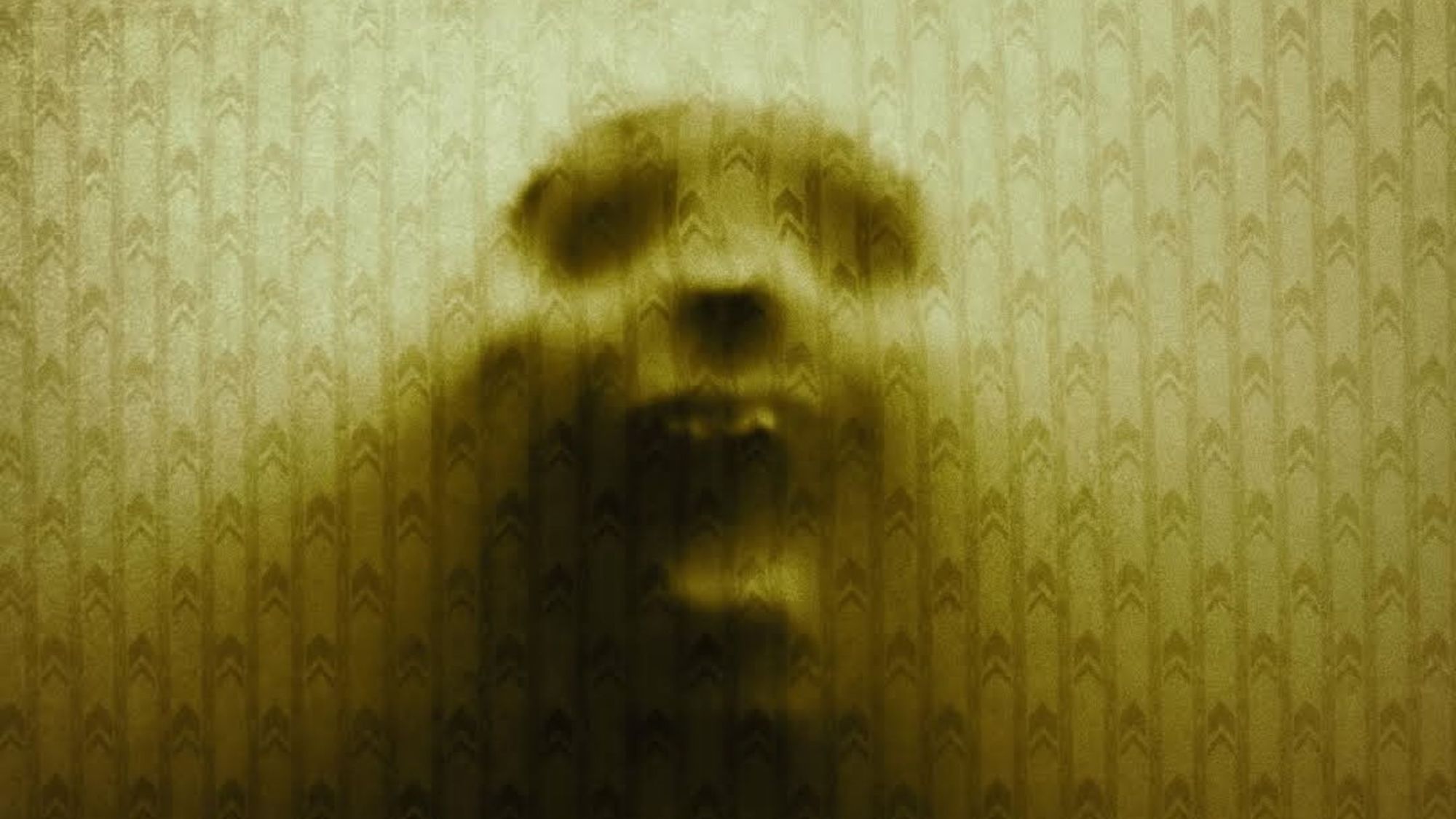
Entertainment trends are nothing new. In many ways, trends are simply how it all works: something niche gains popularity with the larger audience and Hollywood takes notice, tapping into what had been independent stories and creations to build out the next big blockbuster. It’s something that is often pretty good for fans. They get more of what they like and often with higher production values and, sometimes, new corners of entertainment are born entirely, particularly when it comes to genre movies and television. It’s something we’re starting to see happen now when it comes to analog horror.
Thanks to the success of movies like Backrooms and Obsession (the latter of which is not itself analog horror but still an original work from a young, independent creator), Hollywood has started taking major notice of what was, until now, something of a more niche subgenre of horror found online across various YouTube channels, message boards, and even short form content like TikTok. It’s a subgenre where chilling and disturbing tales are made even more eerie with the adoption of a sort of contemporary retro aesthetic like old camcorder footage and deeply unnerving use of liminal space all coming together to create stories that are deeply disturbing less because of classic “horror” elements but because of how real they feel. However, while the idea of getting more of these fascinating explorations of analog horror on the big screen and beyond is exciting, one can’t help but wonder if being the next big entertainment trend is really a positive—or if the bigger budgets will botch a genuinely good thing.
Part of What Makes Analog Horror So Special Is Its Hand-Made Feel (And Big Budgets Might Lose That)

There is no doubt that while a big part of what makes analog horror so intriguing is story, but there’s also no doubt that the aesthetic is a massive component as well. There is something very important about the look and feel of these stories. Take a look at The Backrooms, the viral web series that, ultimately, led to Backrooms. While the idea of “The Backrooms” began with an unsettling photo on 4chan that turned into a creepypasta with people adding interconnected spaces with strange, hostile entities and experiences within them, it grew into something larger that really drove home the idea that it’s the aesthetic that makes the terror. The concept of strange things in places you shouldn’t go has always been a part of horror. It’s also inherently not always scary. But add in the strange, neo-vintage vibes of these hollow spaces that are frequently cast in the same yellow tones old white PCs degrade into over time and you get something that is both visceral and psychological that works because of how rough and unfinished it feels.
That feel comes from creators working with smaller budgets and, in many cases, working with what they have access to—old VHS or the means to make digital recordings feel like it, genuinely abandoned spaces, etc. As Hollywood starts picking up the rights to stories and mini franchises that employ these techniques and aesthetics, what we’re going to get is going to be a less organic version of things. It’s a translation from small to large that might end up not quite fitting and I fear could result in a watering down of what makes these sort of stories so special.
If Done Right, However, We Could Be Witnessing a New Age of Horror (And Original Storytelling)

Of course, there’s also always the possibility that more money won’t mean more problems for analog horror. instead, it might end up being the thing that cracks the door open to some of the most interesting and original storytelling we’ve seen in entertainment in some time—and that’s a very good thing. We’ve already seen through the success of projects like Backrooms and Obsession that original storytelling really is something that audiences crave. More than that, those are stories that are being told by younger creators. Giving them the financial support and studio backing could in turn lead to them creating more original and unique stories and, thus, carving out an entirely new age of horror that will help push not only that genre into new directions but also expand filmmaking writ large. There’s a lot of grand possibility there if the studios get it right.
Realistically, we might be well on our way to the first real test of things, too. Earlier this month it was announced that United Artists’ Scott Stuber, Amblin’s Steven Spielberg, and Amazon MGM Studios had acquired the film rights to The Mandela Catalogue, a viral YouTube analog horror series from Alex Kister. With the wildly popular The Mandela Catalogue going into its big screen moment with a major studio backing it, we will likely have some idea of exactly how Hollywood is going to handle this pocket of entertainment and maybe, just maybe, all of entertainment will end up benefitting.
What do you think? Leave a comment below and join the conversation now in the ComicBook Forum!