The 1980s produced some of the most beloved video games ever made, but they also gave players some of the toughest challenges in gaming history. There was no internet full of walkthroughs, no built-in hints, and few checkpoints to help players. If you got stuck, you either experimented until something worked, asked a friend at school, or hoped that a gaming magazine would eventually publish a strategy guide. For many kids, simply reaching the final stage of a game was an accomplishment worth bragging about, even if actually finishing it remained out of reach.
Looking back, 1986 stands out as one of the defining years for difficult games. Developers were still learning how to balance challenge and accessibility, while arcade design philosophies encouraged players to master mechanics through repetition and spend more and more quarters. Several titles released that year became cult classics because they demanded patience, quick reflexes, and an incredible amount of determination. Decades later, these games continue to earn respect from retro gaming fans who appreciate just how unforgiving they were, and these five remain iconic for that difficulty.
5) Metroid
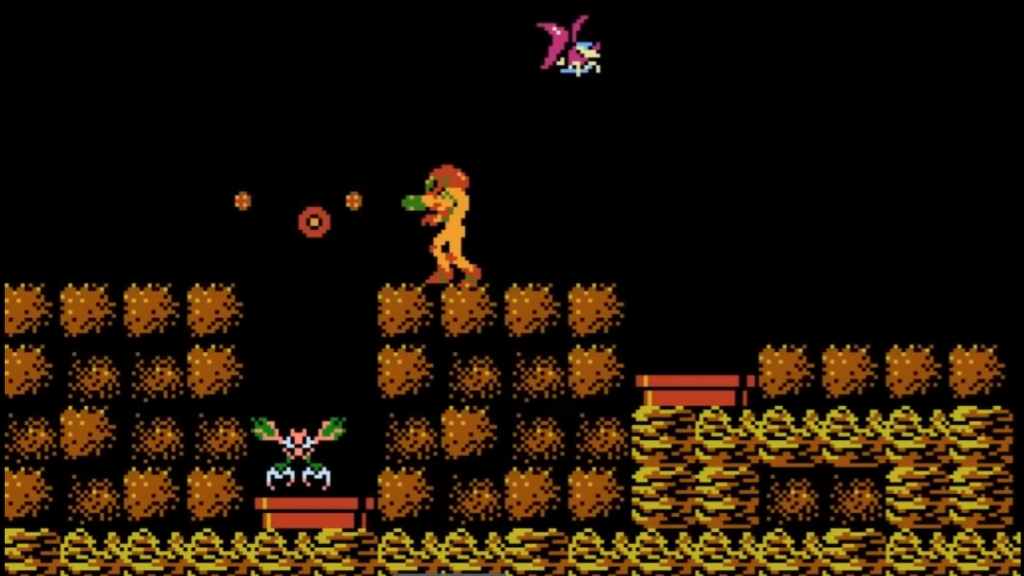
Nintendo’s original Metroid introduced players to the lonely planet Zebes, where exploration mattered just as much as, if not more than, combat. While the game is celebrated today for creating one of gaming’s most influential genres, many players in 1986 never saw its ending because simply surviving was an enormous challenge. Completing the game was a task far more challenging.
One of the biggest reasons Metroid proved so difficult was its complete lack of guidance. There was no map, no objective marker, and almost no indication of where hidden upgrades could be found. Players were expected to memorize an enormous interconnected world while bombing suspicious walls and floors in hopes of uncovering secret passages. Missing an essential upgrade could leave players wandering for hours.
The game’s combat also demanded precision. Samus began with limited health, enemies hit hard, and losing all of your energy meant restarting with very little health. Recovering after a defeat often required farming weak enemies for health pickups before venturing back into dangerous territory. It was a rewarding experience for determined players, but one that tested patience from beginning to end.
4) Super Mario Bros.: The Lost Levels
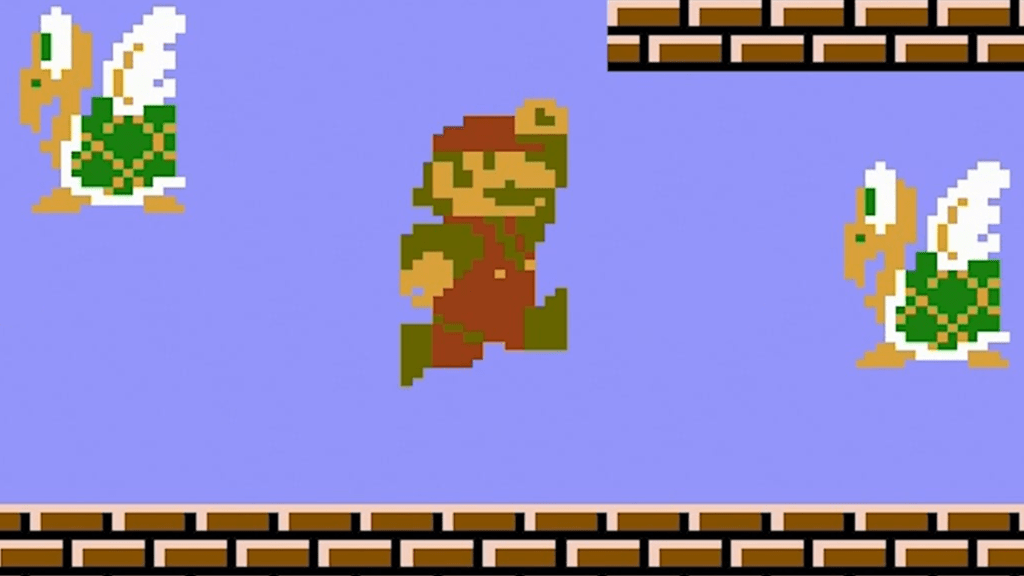
Known in Japan as Super Mario Bros. 2, Super Mario Bros.: The Lost Levels was considered so difficult that Nintendo decided not to release it internationally on the NES during its original era. Instead, Western audiences received a completely different Super Mario Bros. 2 based on another game, one that lowered the difficulty significantly.
The difficulty starts almost immediately. Levels feature poisonous mushrooms disguised like helpful power-ups, incredibly precise jumps, stronger enemy placement, and brutal wind mechanics that can push Mario into pits. Warp zones often send players backward instead of rewarding exploration, making progress even harder. Some even considered it hard for the sake of being hard rather than earning this reputation.
Even experienced fans who mastered the original Super Mario Bros. quickly discovered that this sequel expected near-perfect execution. Many stages required memorization as much as platforming skill. Nintendo feared the game would frustrate Western audiences, and history suggests that concern was justified. It remains one of the most challenging games Nintendo has released, and this has earned it a memorable legacy.
3) Castlevania
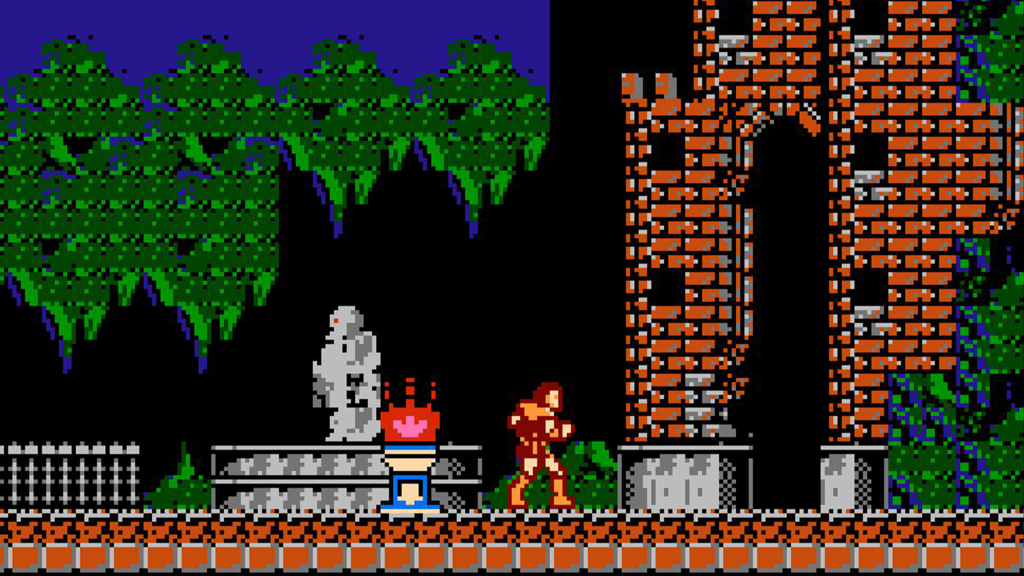
Konami’s Castlevania became an instant classic thanks to its gothic atmosphere, unforgettable music, and memorable monster designs. At the same time, it also earned a reputation for being one of the toughest action games available on the NES. Later games have lowered that difficulty, but the original game was brutal and unforgiving in many of its mechanics.
Simon Belmont’s movement played a major role in the challenge. Once players committed to a jump, there was no changing direction in midair. Every leap required careful planning, especially when enemies like Medusa Heads flew across the screen in unpredictable arcs. One mistake could send Simon into a pit, costing valuable progress. But this wasn’t the only thing that made the game hard.
Boss fights demanded pattern recognition and precise timing. Dracula himself became famous for punishing players who reached the end without mastering every mechanic. Combined with limited continues and demanding platforming, Castlevania required persistence that many young players simply could not maintain over repeated attempts.
2) Takeshi’s Challenge
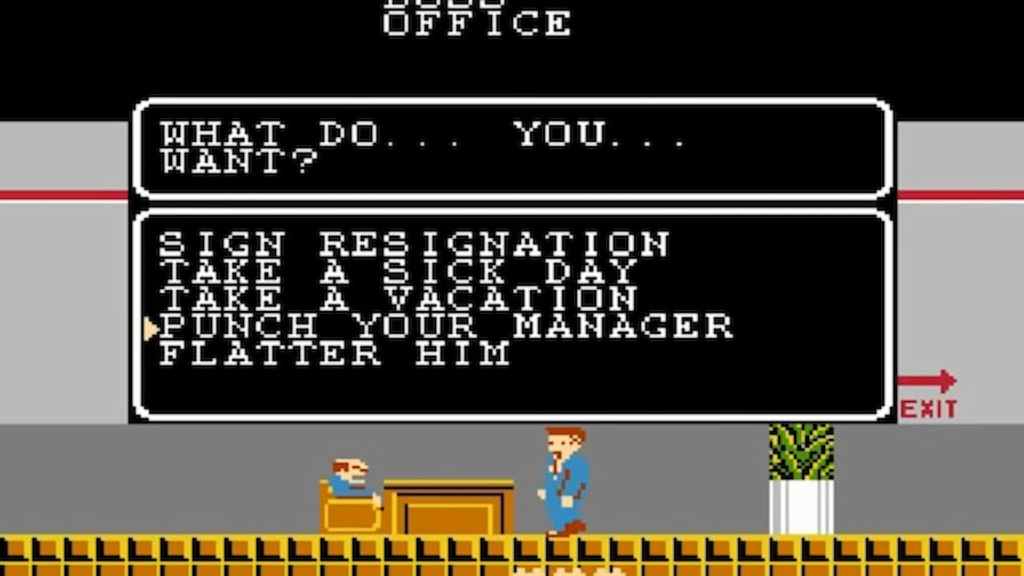
Few games have developed a stranger reputation than Takeshi’s Challenge. Designed with input from Japanese comedian and filmmaker Takeshi Kitano, the game intentionally ignored many traditional game design conventions, creating an experience that baffled almost everyone who played it. But this strange origin isn’t the primary reason it has become infamous.
Progress often depended on actions that seemed completely irrational. Players needed to perform obscure tasks without any logical clues, including waiting for extended periods without touching the controller and discovering hidden objectives that were nearly impossible to predict. Trial and error became the primary way to advance, easily making it one of the most frustrating experiences in gaming.
The game also punished experimentation in unexpected ways. Choosing the wrong dialogue option or taking seemingly harmless actions could abruptly end the adventure. While Takeshi’s Challenge has become a fascinating cult classic, its legacy largely comes from how little it explained and how relentlessly it punished players who failed to think exactly as its creators intended without any guidelines.
1) Ghosts n’ Goblins
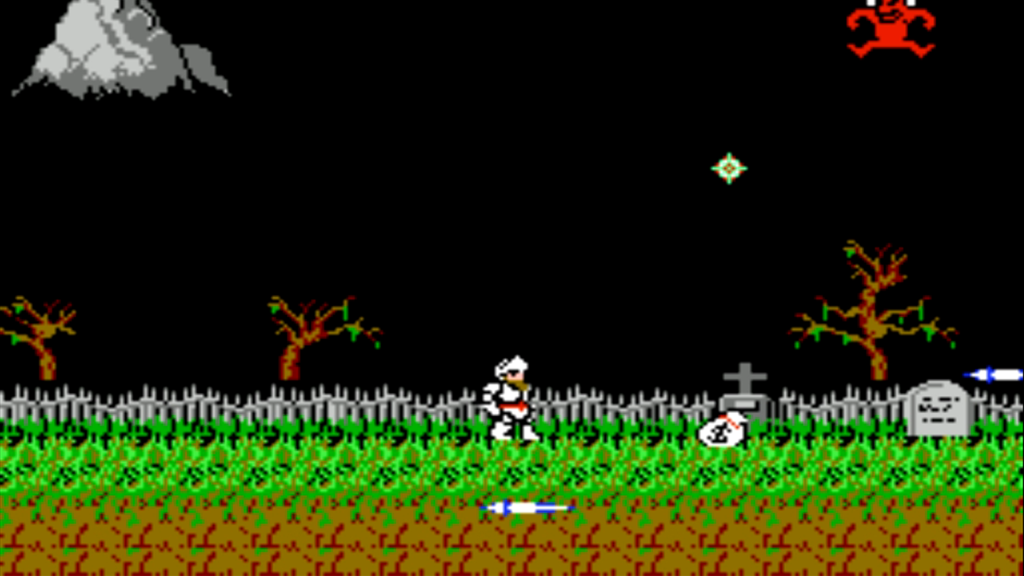
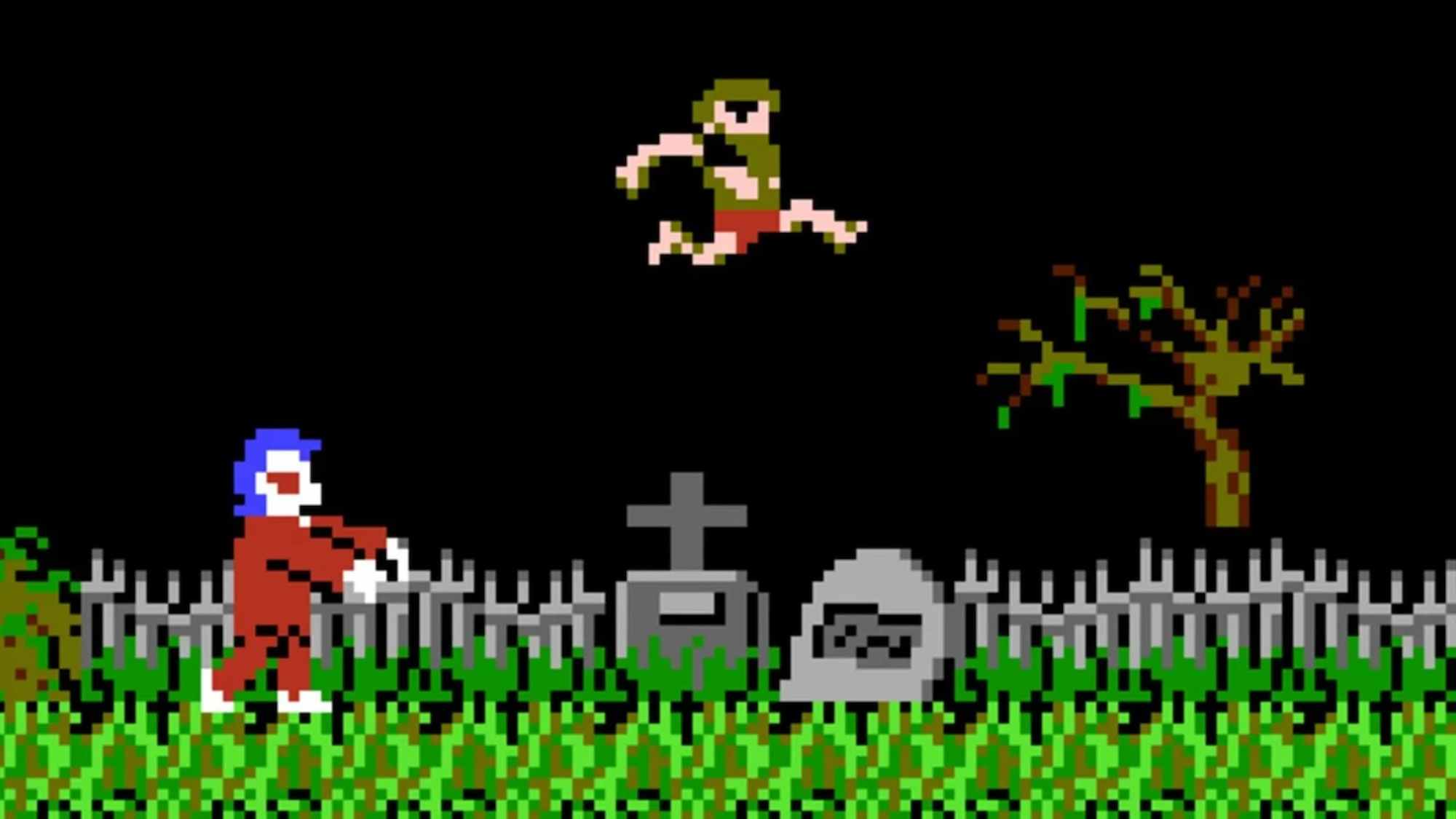
If one game defines impossible difficulty from 1986, it is Capcom’s Ghosts n’ Goblins. Players controlled the knight Arthur as he battled demons and monsters to rescue Princess Prin-Prin, but surviving long enough to reach the final boss was only half the battle. To this day, Ghosts n’ Goblins is one of the most memorable and iconic games simply because of its difficulty.
Arthur could withstand only two hits before dying, with his armor disappearing after the first strike. Enemies constantly appeared from unexpected locations, forcing players to react instantly while navigating dangerous platforming sections. Every weapon had strengths and weaknesses, and selecting the wrong one could make later stages dramatically harder, if not impossible.
The game’s greatest trick came at the end. After defeating the final boss, players learned they had been trapped in an illusion and were required to replay the entire adventure on a greater difficulty while carrying a specific weapon to earn the true ending. It became one of gaming’s most infamous twists and cemented Ghosts n’ Goblins as one of the hardest video games ever created. Even today, finishing it remains a badge of honor among retro gaming fans.
What do you think? Leave a comment below and join the conversation now in the ComicBook Forum!