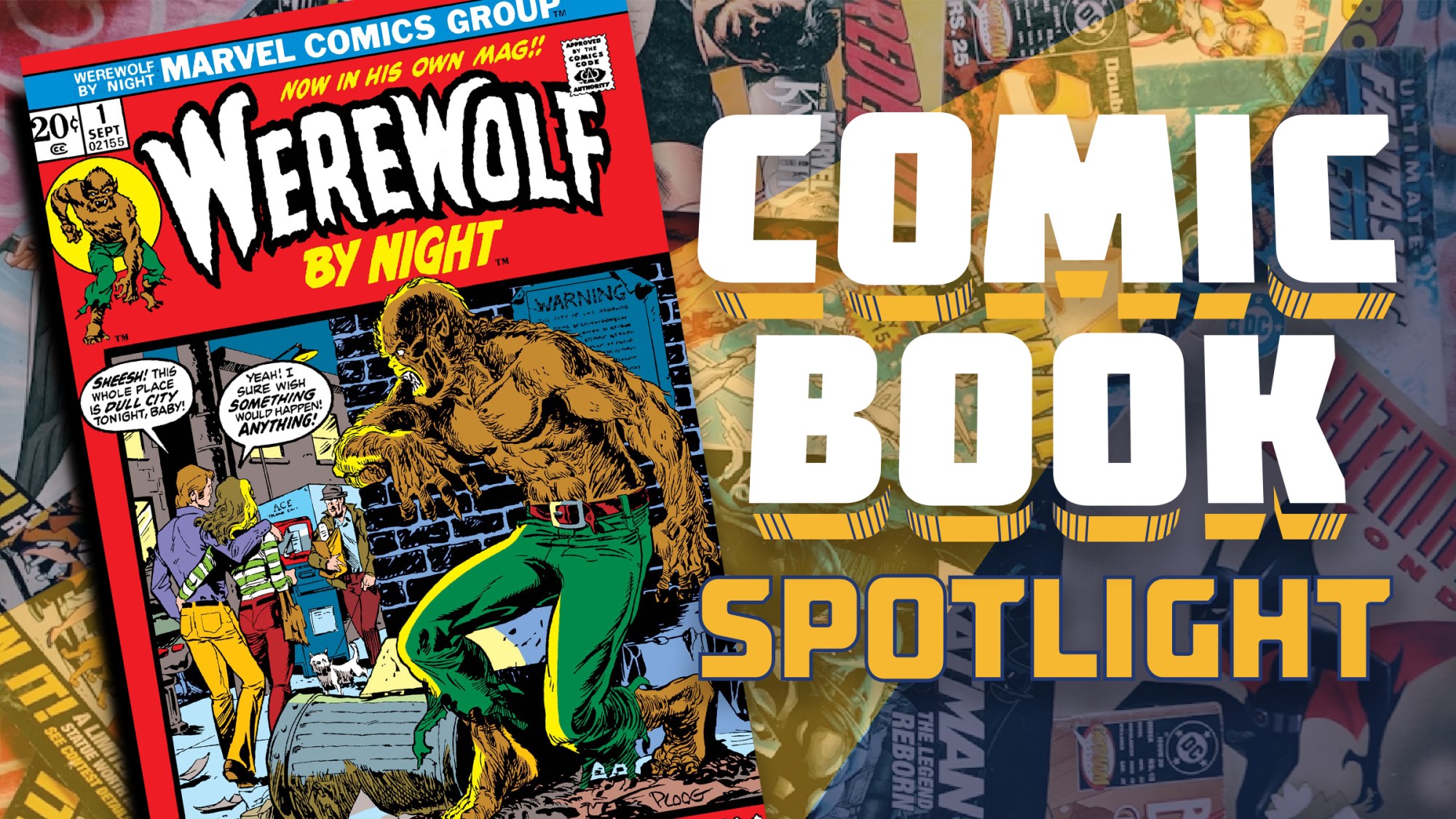
Marvel Comics came back to superheroes in the ’60s, creating some of the most popular and important characters in the history of the comic medium. They’d build popularity throughout the decade, but eventually, the old guard of the early ’60s gave way to a new generation of creators, those who had grown up with superhero comics. They stepped into some big shoes and did their best to create characters that could match the ones created by Lee, Kirby, Ditko, Heck, Lieber, and the rest. The ’70s, in a lot of ways, were like the hangover to the hedonism of the ’60s and things got weird in pop culture in a lot of ways. The same thing happened at Marvel, leading to the creation of various characters who were different from what came before, including Jack Russell, the Werewolf by Night.
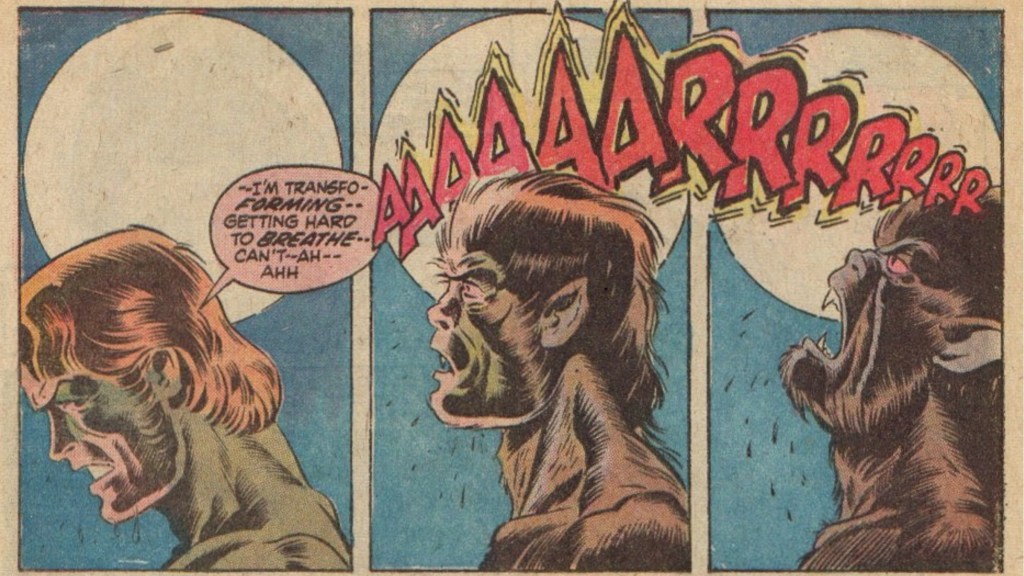
Russell’s family had been cursed with lycanthropy because of their involvement with the Darkhold. First appearing in Marvel Spotlight #2, Russell came down with the curse at 18, transforming into a werewolf by night (yeah, his name isn’t the best, folks) and decided to use this to become a superhero, because this was the Marvel Universe. Russell was part of a wave of Marvel horror comics that would change the company in a variety of ways. Horror, of a sort at least, had been a part of the House of Ideas for years and the ’70s return of horror comics, both to Marvel and DC, led to changes to the industry that would lead to some of the greatest comics of all time.
Werewolf By Night #1 Was Part of the Changing Face of Horror Comics
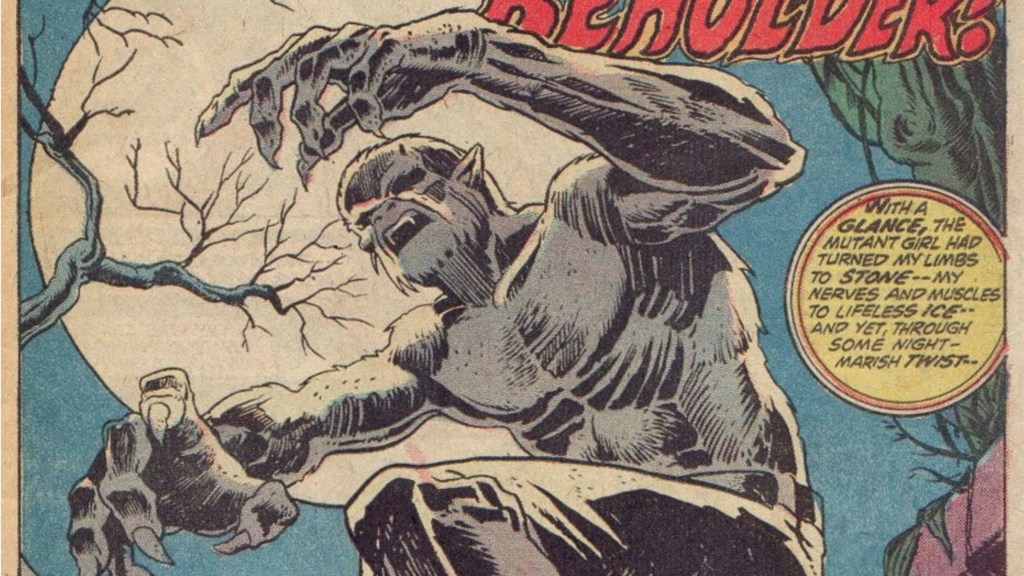
Werewolf By Night #1, as far as it goes, is a pretty standard Marvel comic. It opens with Jack attacked by a mutant gorgon named Marlene Blackgar, and deals with her and her family trying to get Jack and take the Darkhold from him. It introduces his supporting cast, moves towards a final battle with the mutant that sees her beat herself, and ends. It’s a one and done from a time when that was common and as far as it goes, it’s a perfectly entertaining bit of ’70s Marvel from Gerry Conway and Mike Ploog. It’s a book with a great pedigree and is a favorite of fans of ’70s Marvel. Talking about the comic itself isn’t going to lead to much, though; however, it’s what this comic represents that makes it so important.
In the ’50s, superhero comics started to lose market share and in their place, crime and horror comics became the bestsellers, including the work of EC Comics like Tales From the Crypt (which would one day become an HBO show little David watched on the weekends). EC Comics were known for their often graphic subject matter and this led to outrage across the United States from conservative parents who didn’t want their children exposed to such “filth”. Frederick Wertham wrote Seduction of the Innocent, a book that called out the comic industry for poisoning the youth, and the major comic companies banded together to create the Comics Code Authority, a regulatory board that could censor comics. The Code was written specifically to kill EC and it’s one of the main reasons sci-fi became so popular in comics from the era – horror and crime stories got censored out of existence.
Of course, there were still horror comics, they just went in different directions. Marvel had its monster comics and alien invasion comics often used the ideas of horror comics to inform them. The death of EC didn’t kill the Code, but since the publisher was gone, it got a lot more lax and the ’70s saw a return of horror comics. Marvel and DC both went in different directions with their horror comics. DC did books that were more like the anthologies of EC, like House of Mystery, House of Secrets, and The Witching Hour. Marvel, on the other hand, decided to do their normal superhero stories with horror trappings, birthing characters like Werewolf By Night, Blade, the Marvel version of Dracula, Ghost Rider, and numerous others.
Several of them got solo titles, with Tomb of Dracula becoming a legendary title that ran for seven years. Werewolf By Night ran for 43 issues, until 1977, and then the character would bum around the Marvel Universe, appearing in other horror superhero books and getting his own miniseries’ over the years. The rise of the X-Men in the late ’70s overshadowed the horror books, with a brief return in the early ’90s because of the success of the second Ghost Rider. Since then, Marvel horror has been almost completely dead. Werewolf By Night got another chance at stardom thanks to the MCU doing a Disney+ special, with fans still waiting for a sequel, but he’s not found any comic success in a while.
Werewolf By Night #1 Took Marvel Fans Back Into the Night
The history of horror comics in American comics is one of the more interesting legends of the medium. The rise and fall of EC Comics changed the industry; horror, crime, and mysticism took a back seat to sci-fi, which became the primary building block for the superhero books of the Silver Age. The return of horror comics in the ’70s changed the industry again, leading to the mature readers comics of the ’80s, which led us inexorably to where we are today with comics. While one can argue that DC has done a lot better with horror than Marvel, there’s no denying how important the ’70s horror boom was to the House of Ideas, with characters like Werewolf By Night helping the publisher shift during that decade.
Without books like Werewolf By Night #1 and Tomb of Dracula, do we still get the rise of the anti-hero, more violent heroes that often felt like they stepped out of a horror story? Where’s Wolverine without Werewolf By Night? The recent unveiling of the Marvel Midnight line disappointed fans partly because instead of starring some of the horror greats of the ’70s, it was just more X-Men, Spider-Man, and Fantastic Four. Fans love these characters, as evidenced by Werewolf By Night’s MCU success, and it’s shame that the publisher won’t give these potential superstars another chance. Until they do, we’ll always have books like Werewolf By Night #1.
What do you think? Leave a comment in the comment section below and join the conversation on the ComicBook Forums!