It’s become one of the biggest debates in Hollywood: what does the rise of artificial intelligence mean for the television and film industry?
The question has especially been prominent in Los Angeles, which has lost thousands of production jobs in recent years. Federal data shows more than 40,000 production jobs have left LA since 2022. Experts say that’s because it’s significantly cheaper to shoot and edit in other states or overseas.
“AI has become one of the biggest topics in Hollywood, particularly because the creatives have this fear, and it may be not totally unfounded at all, that AI could replace their likeness, their voice, could take jobs from writers, actors,” said Paul Dergarabedian, head of marketplace trends at Rentrak.
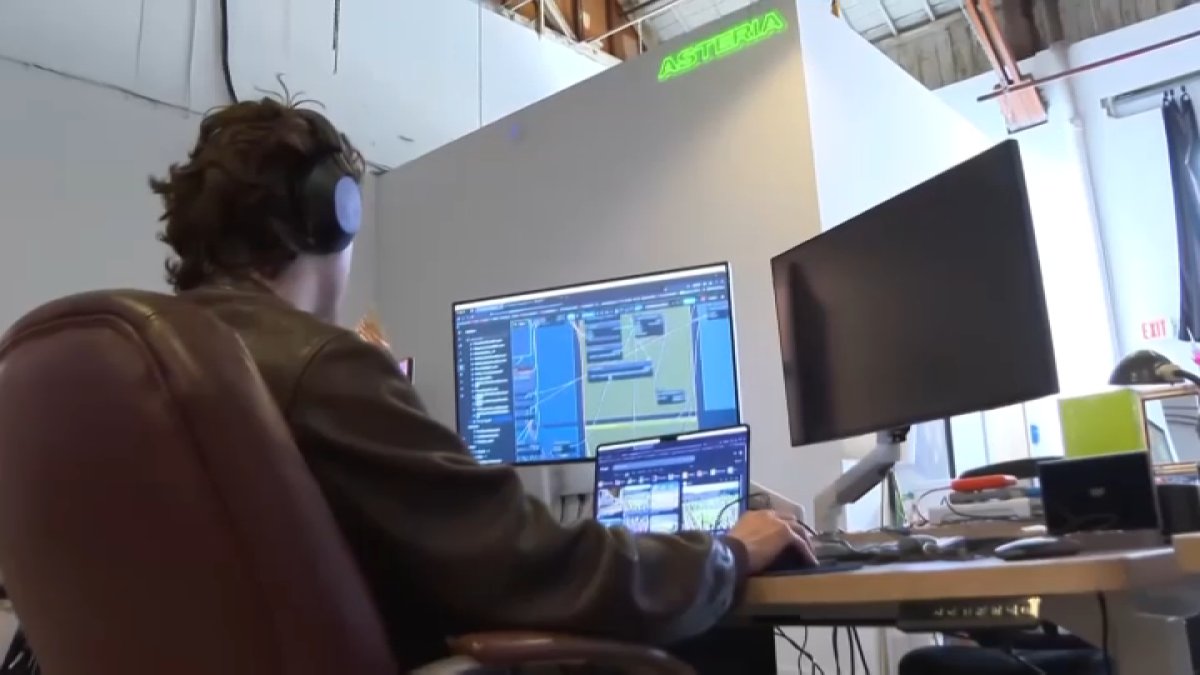
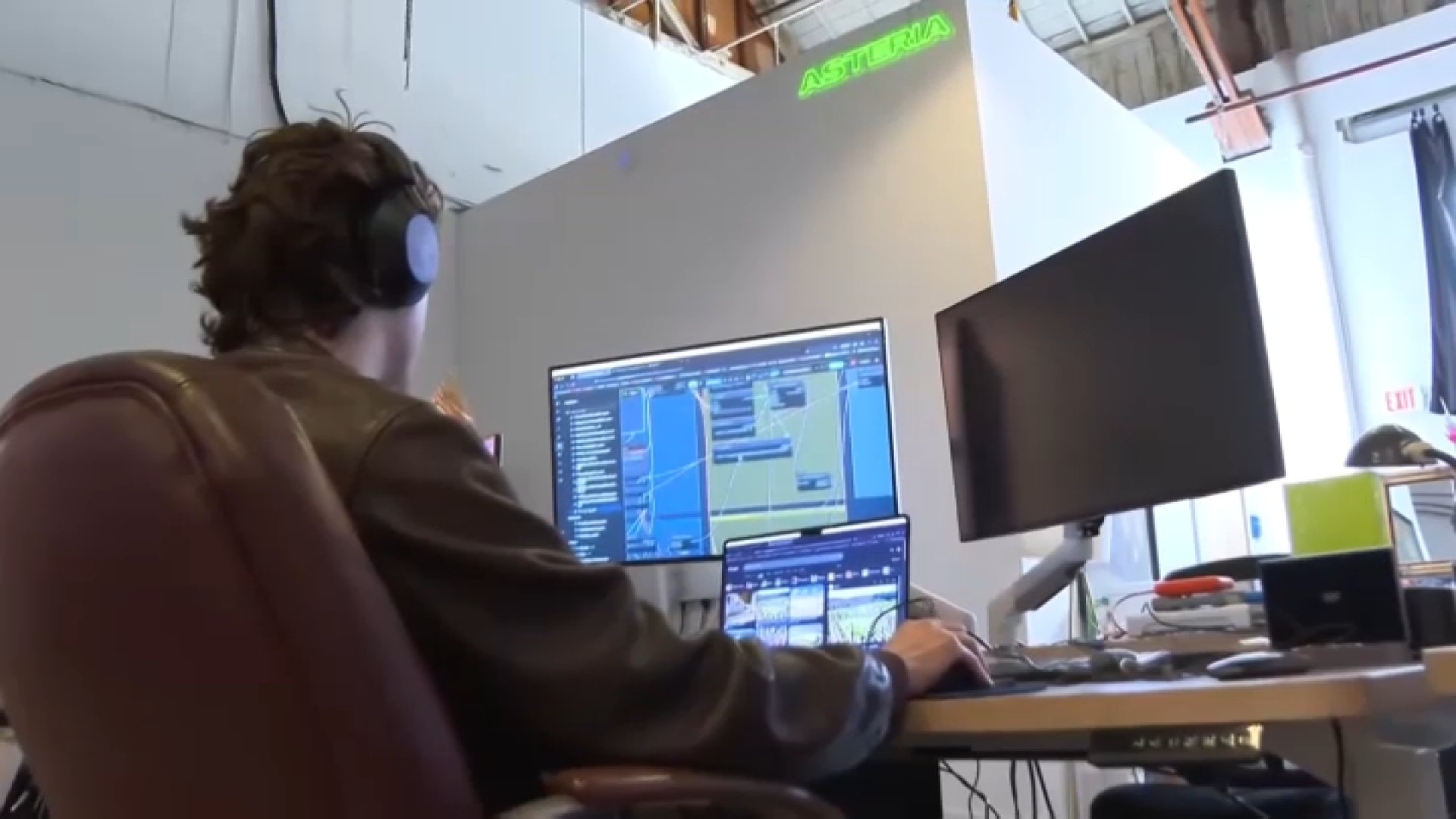
But Asteria, a Silver Lake-based production company, says it’s adapting to AI in its work and believes it could be key to turning the industry around in Hollywood. The company works out of the historic Mack Sennett Studios, a sound stage where silver screen legends like Charlie Chaplin started making movies back in 1916.
“This is a building that’s been through a lot of changes in Hollywood and seen certainly a lot of technology change the industry as we know,” Asteria co-founder Bryn Mooser said.
He says it’s a fitting place for his studio, where they’re embracing what could be the biggest tech shakeup that Hollywood’s ever seen.
“We are right now at probably the most significant technological change in the way that we make movies,” he said.
Back in 2023, the movie and TV industry was shut down for four months as multiple unions went on strike. At the heart of the issue were calls to regulate the use of AI amid fears that AI-generated actors — not humans — would appear on screen and scripts would start coming from AI models, not writers.
Asteria, however, says they’re using generative AI differently. The company, which identifies as an “artist-led, generative AI film and animation studio, powered by the first clean and ethical AI model,” says it’s a tool that can help its creative team with video effects and animation.
“You use the model to do things like in animation, in-betweening, filling out crowds, extending shots, cleaning up shots, removing things out of it,” Mooser said.
He says this is a moment when the industry in LA needs to be willing to adapt.
“I think that anybody who says, ‘Well, AI doesn’t belong in Hollywood,’ I would ask them, ‘Is Hollywood working right now?'” Mooser said. “Is it working for those people? If the industry was in a perfect spot, I would say, ‘Sure, let’s leave it alone.’ But it’s not.”
According to Mooser, by using AI, smaller teams can finish jobs more quickly, which could drive down the cost of production and hopefully bring projects back to Hollywood.
“We have to do something to try to bring jobs back here,” Mooser said. “And it’s really important that Los Angeles becomes the place that is always the center of the entertainment industry, including being the center of whatever technology comes next.”
Some industry experts say they understand Asteria’s mission but question whether it will generate momentum for LA’s signature industry.
“If this initiative by this company can make things more efficient in a sense, and then enable LA to become more competitive by virtue of these technologies, then that could be a good thing,” Dergarabedian said. “But I think the good has to be weighed with what are the potential pitfalls of using AI.”