Man versus machine.
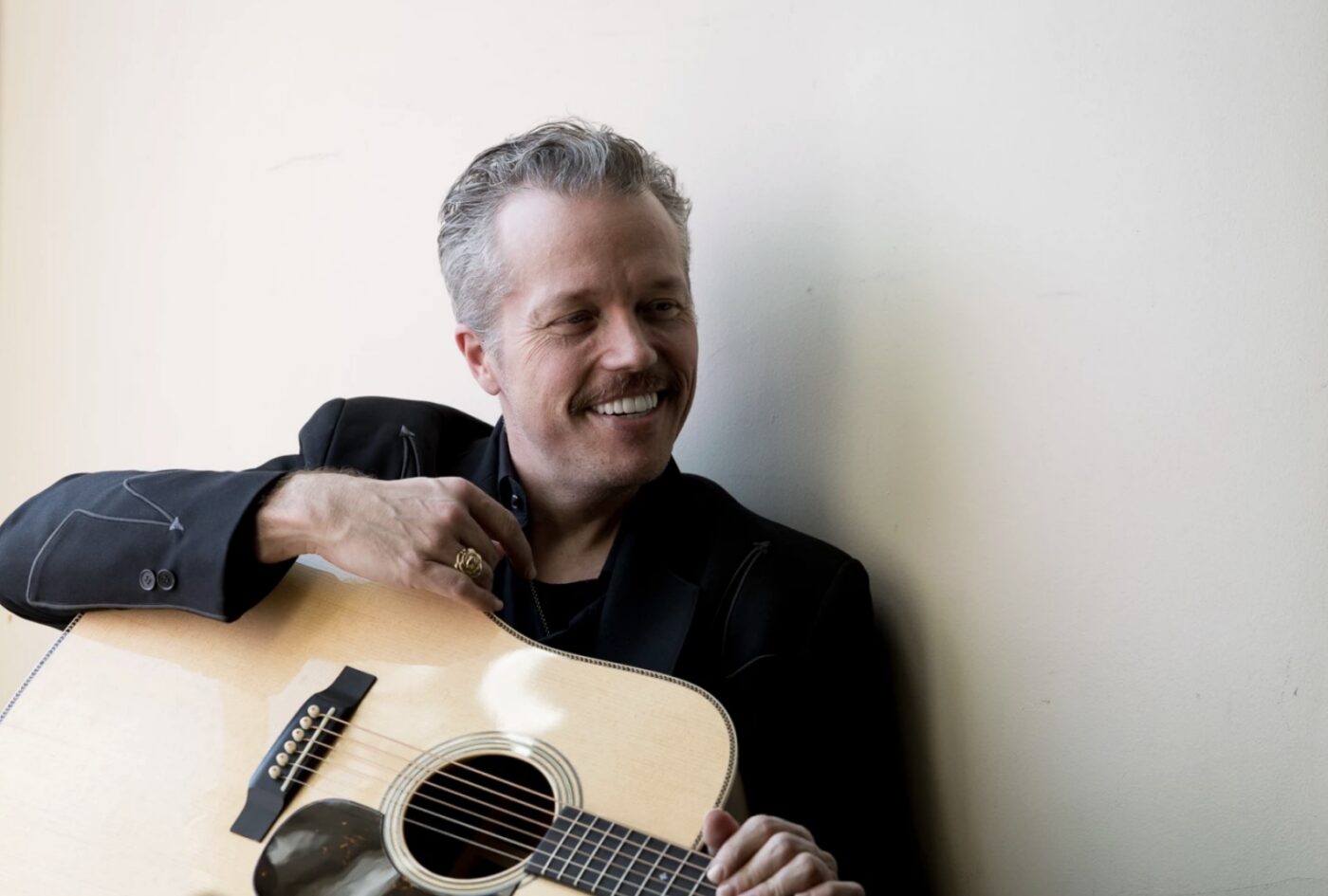
A lot of artists have spoken out about Suno lately, the AI music generation platform that allows creators to generate both vocals and instrumentation. But Jason Isbell is taking action and filing a lawsuit against the company, accusing Suno of misappropriating and exploiting his identity, as well as those of other musicians and artists.
The complaint, filed on Monday in federal court in Massachusetts by Isbell along with Guy Forsyth, David Lowery, and Eduardo Calle, opens with an ominous warning from Star Trek:
“The Borg’s chilling catchphrase captures it plainly: “We are the Borg. Your biological and technological distinctiveness will be added to our own. Resistance is futile.””
Isbell accuses Suno of designing and training a platform that uses an artist’s name as a “retrieval key” so that users can “deploy the identity of musicians by name” to generate music that sounds like an artist’s creation. As an example, Isbell says that by simply entering his name in the platform, Suno generated an Americana song called “Paper Bell” that imitated “Isbell’s characteristic clear male vocals and country twang.”
The complaint gives several more examples of an artist’s name being entered into the platform, and Suno generating music that replicates their style – including a jazz saxophonist and a ska-punk band. Basically, when you enter an artist’s name, the platform generates music in that artist’s style – which Isbell says is proof that the platform is trained on their music and uses their identity.
Suno denies that it allows artists’ names to train the platform, claiming that it blocks users from using an artist’s name as a prompt – but the lawsuit provides several examples that seem to disprove that claim. And Isbell says that even when the platform DOES block an artist’s name from being used, the filter is easily defeated simply by putting in an alternate version of the name, such as adding spaces between the letters.
Isbell also points out that when Suno does block an artist’s name, it instead offers users “similar styles” they may like – proving that the platform recognizes that artist’s name and style. And he also points to affiliate creators posting tutorials on how to “get around” Suno’s name restriction to generate music that sounds like a particular artist.
The lawsuit accuses Suno of monetizing artists’ rights of publicity, appropriating and commercially exploiting their identities, and using an artist’s name and likeness illegally to build their platform.
The plaintiffs are asking that the court grant class action status to the lawsuit, meaning that it could open up to thousands of musicians living in states that recognize and protect an artist’s right to their own identity. And the lawsuit also requests an injunction that would prohibit Suno from capturing and storing artists’ identities, including their name, voice, and any other identifying attributes, as well as unspecified compensatory and punitive damages as well as disgorgement of profits – which basically means Suno should have to give the artists all the money they made because they used their identity.
Suno has not yet responded to the lawsuit, and it’s not even the first major litigation the company has faced since gaining mainstream popularity.
In 2024, a massive lawsuit was filed by the RIAA on behalf of several labels accusing Suno of training its AI model on copyrighted sound recordings. One label, Warner Music Group, has since withdrawn from the lawsuit and entered into a licensing agreement with Suno, while the platform maintains that AI training falls under fair use and is not copyright infringement.
A recent study found that AI music creators are making a ton of money, many of them using Suno for their work. It’s a highly contentious issue among music fans and artists, and apparently, now it’s one that’s going to be tested in court.
I know who I’m rooting for.