
Stranger Things ended on December 31, 2025, and eight months later the only new Stranger Things anyone is getting is a cartoon. Stranger Things: Tales From ’85 returns for its second season on September 17, and on paper that is a hard sell. The first season landed at 63% on Rotten Tomatoes from 35 critics, which is the worst number the franchise has ever put up. Not one member of the live-action cast voices their own character. It is set in the winter of 1985, in the gap between the second and third seasons, which means it is boxed in on both sides by stories we already know the endings of. Then the trailer arrived on August 25, and the thing it appears to be building toward is the one move the main show spent nine years circling and never quite committed to. It is a modest show making an unexpectedly large claim, and that claim is worth checking against what the main series actually left unfinished.
A 63% Rotten Tomatoes score is not a rounding error inside a franchise that has never gone below the eighties. Recasting every voice in an animated spinoff is a decision viewers notice in the first thirty seconds and hold against a show for an entire season. And a prequel wedged between two seasons whose outcomes are already public has almost no room to change anything that matters, which is a structural trap most prequels never escape. All of that is true of Season 1. What the Season 2 trailer suggests, however, is that the show has found the one move available to a story boxed in on both sides, which is to go after something the main series set up, circled repeatedly across five seasons, and then declined to resolve. If that read is right, the cartoon is about to do the thing the flagship series would not.
The Problem Was Never That Eleven Was Too Powerful
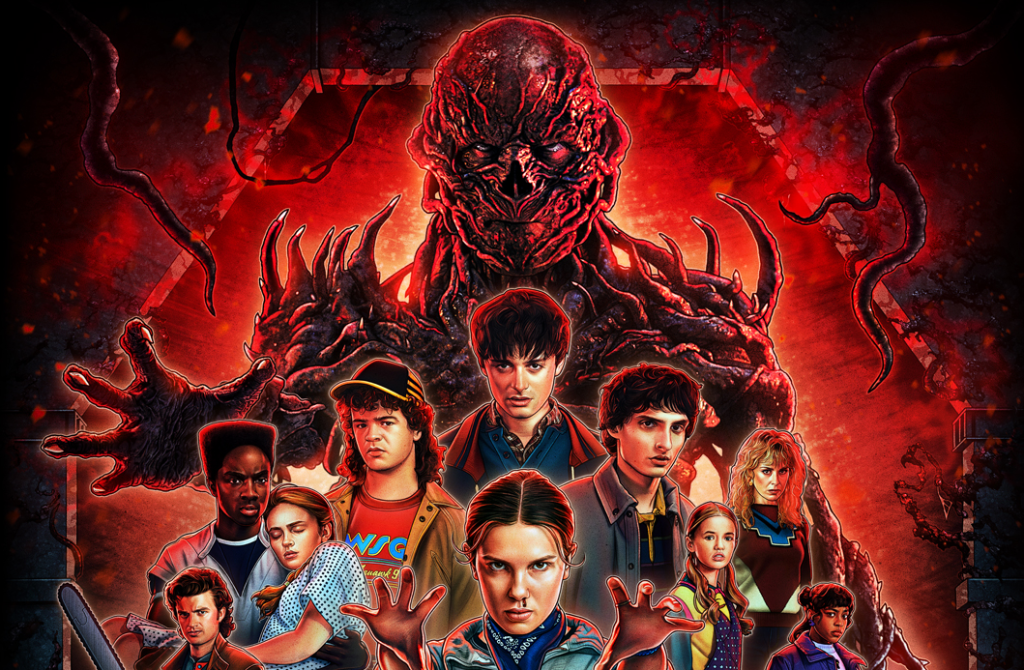
Here is the version of this complaint you have read a hundred times: every season of Stranger Things builds an unstoppable threat, and every season Eleven stops it, so the stakes are fake. It is a satisfying thing to say but it is not actually what happens on screen. Go back through it. Season 1 fits because she destroys the Demogorgon and disappears. Season 2 already wobbles because while she does close the gate, Will’s possession is broken by Joyce, Jonathan, and Nancy with a room full of space heaters, and the Mind Flayer walks away from the season intact.
Season 3 abandons the pattern completely: Eleven is depleted before the climax even starts, and the gate gets closed because Joyce turns two keys. Eleven finishes that season with no powers at all. Season 4 goes further and simply lets her lose. Max dies and comes back comatose, Vecna survives, and the fourth gate opens anyway. Even the finale splits the kill, with Eleven driving Henry’s body onto a spire and Joyce finishing it with an axe.
The Real Problem Is That The Show Never Admitted It

So the writers had already solved this perceived problem. The trouble is, however, that nobody told the marketing and by extension nobody told the audience. For nine years the posters, the trailers and the promotional art put Eleven front and center with her nose bleeding, and that image did the arguing. Every season was sold as the season where she finally wins, even when the actual episodes were quietly handing the decisive moment to a middle-aged mother with a hardware store solution.
The gap between what the show was doing and what the show looked like it was doing got wider every year, and it created a strange situation where the most common criticism of Stranger Things was aimed at a version of Stranger Things that had stopped existing around 2019. The franchise built a trump card it kept declining to play, and then never said so out loud. That is a much more interesting problem than “the girl is too strong,” and it is the one that was still sitting there when the credits rolled on December 31st.
What The Tales From ’85 Trailer Appears To Be Doing About It
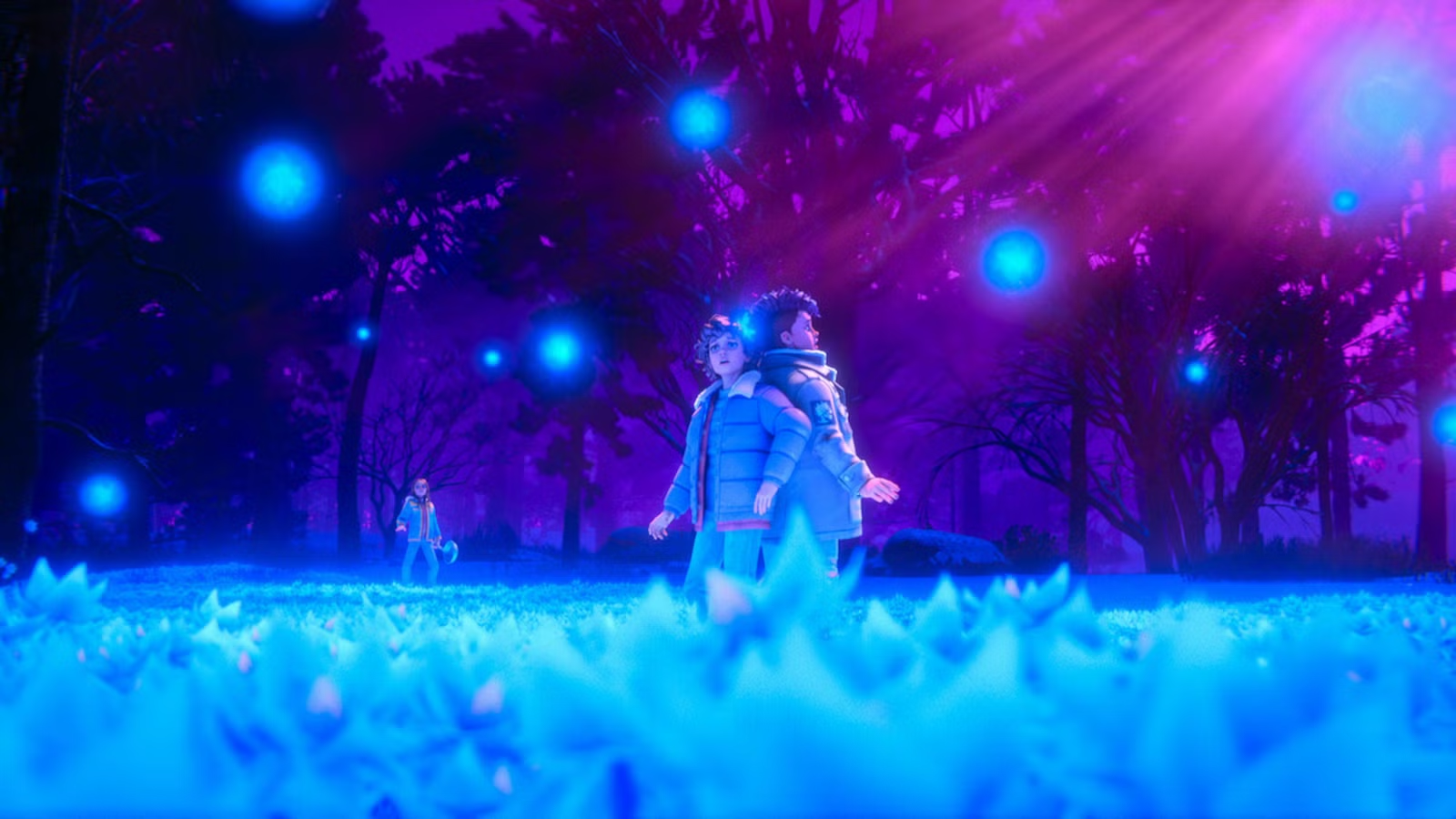
The August trailer opens on glowing blue flowers blooming through snow in Hawkins, which is not how flowers work and not how anything in this franchise has looked before. Showrunner Eric Robles has described the setup plainly: the kids think they are going back to their normal lives, and then the flowers start showing up all over town. Netflix’s official synopsis puts Valentine’s Day on the way and the group chasing down ghostly apparitions and a swarm of strange creatures, which the trailer calls hate sprites. There is no gate, no lab, no obvious body to punch, and our own read of the footage is that the assorted creatures are not several monsters but one hive-minded invasive plant wearing copies of things it has already absorbed.
And somewhere in the middle of all that there is a shot of Eleven using her powers on a blue entity that does not appear to react. I want to be careful here, because a lot of the coverage since August has run with that shot as if Netflix confirmed something. Netflix confirmed nothing. The synopsis does not mention Eleven’s powers and neither Robles nor the Duffers have said a word about them failing. What exists is a few seconds of footage that a lot of people watched and read the same way, which is not proof but is not nothing either.
The Cartoon Is Actually The Right Place To Try This
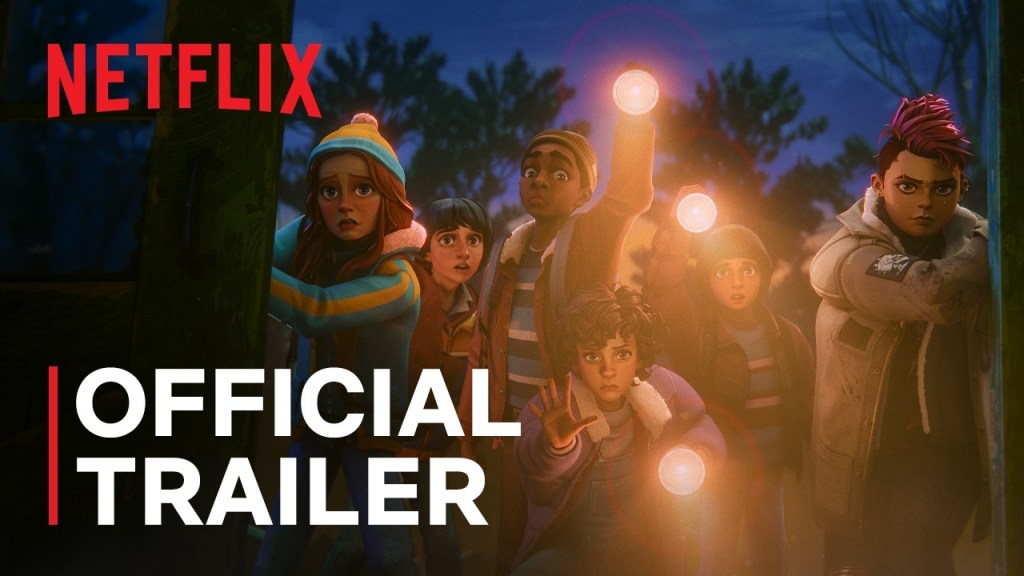
Everything that looked like a weakness about this show turns into an advantage for exactly this story. Because no original performer voices their own character, the series does not carry the star weight that forces a live-action season to give its lead the big moment. Because it is animated by Flying Bark, it can put a threat on screen that has no body to fight, which is the kind of design a live-action budget usually talks you out of.
Because it is locked into the winter of 1985, it cannot change anything we know happens later, which sounds like a limitation and is actually freedom: a season set in a sealed corridor can afford to let its heroes fail in ways that would break a finale. Robert Englund is in it, playing a new character named Cosmo, and if you were assembling a cast to sell the idea that the scary thing cannot be punched, he is a reasonable first call. The Duffers are executive producers, so this is not happening behind the main show’s back.
Whether It Works Is A Separate Question
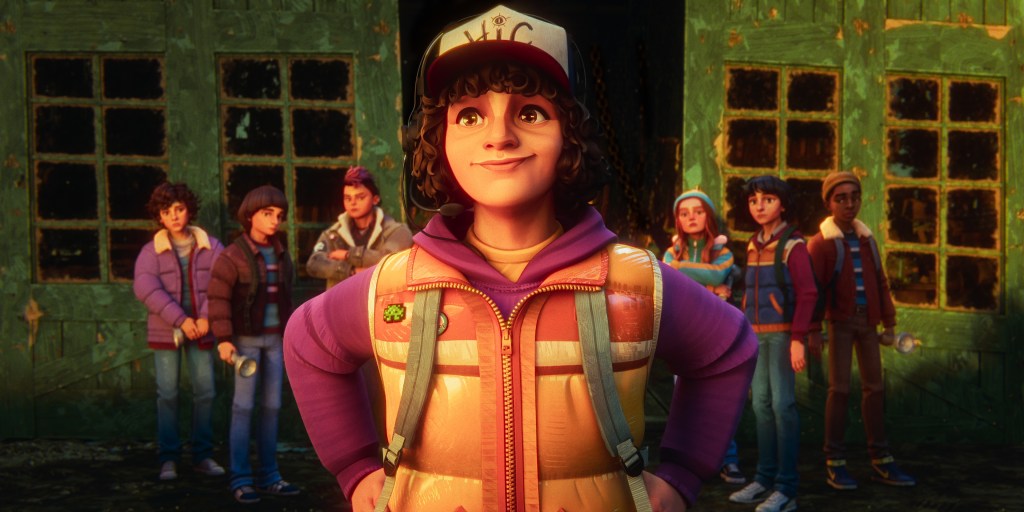
None of this means the season will be good, though. The first one put up the franchise’s worst aggregate critical numbers, though I should say that our own review gave it 4 out of 5, so the split on it is real. Eight episodes is also not much room to introduce a new kind of threat and pay it off, and there is a solid argument that the finale burned through enough goodwill that this show will be judged as lesser no matter what it does. There is also an honesty problem hanging over the franchise generally that this cannot fix. Matt Duffer said on camera in Netflix’s own documentary that they went into production on the finale without a finished script for it, which explains a fair amount about how that ending felt and does not inspire confidence about long-range planning.
And the biggest question the trailer raises is one the trailer cannot answer, which is what Eleven is even doing in a story set in 1985 given where the finale left her. But the pitch is right. After nine years of a show that kept quietly proving its lead was not the answer while its marketing insisted she was, the first thing the franchise does after ending is put a threat on screen that her powers appear to slide right off. That is the correction. September 17th is when we find out if it works.