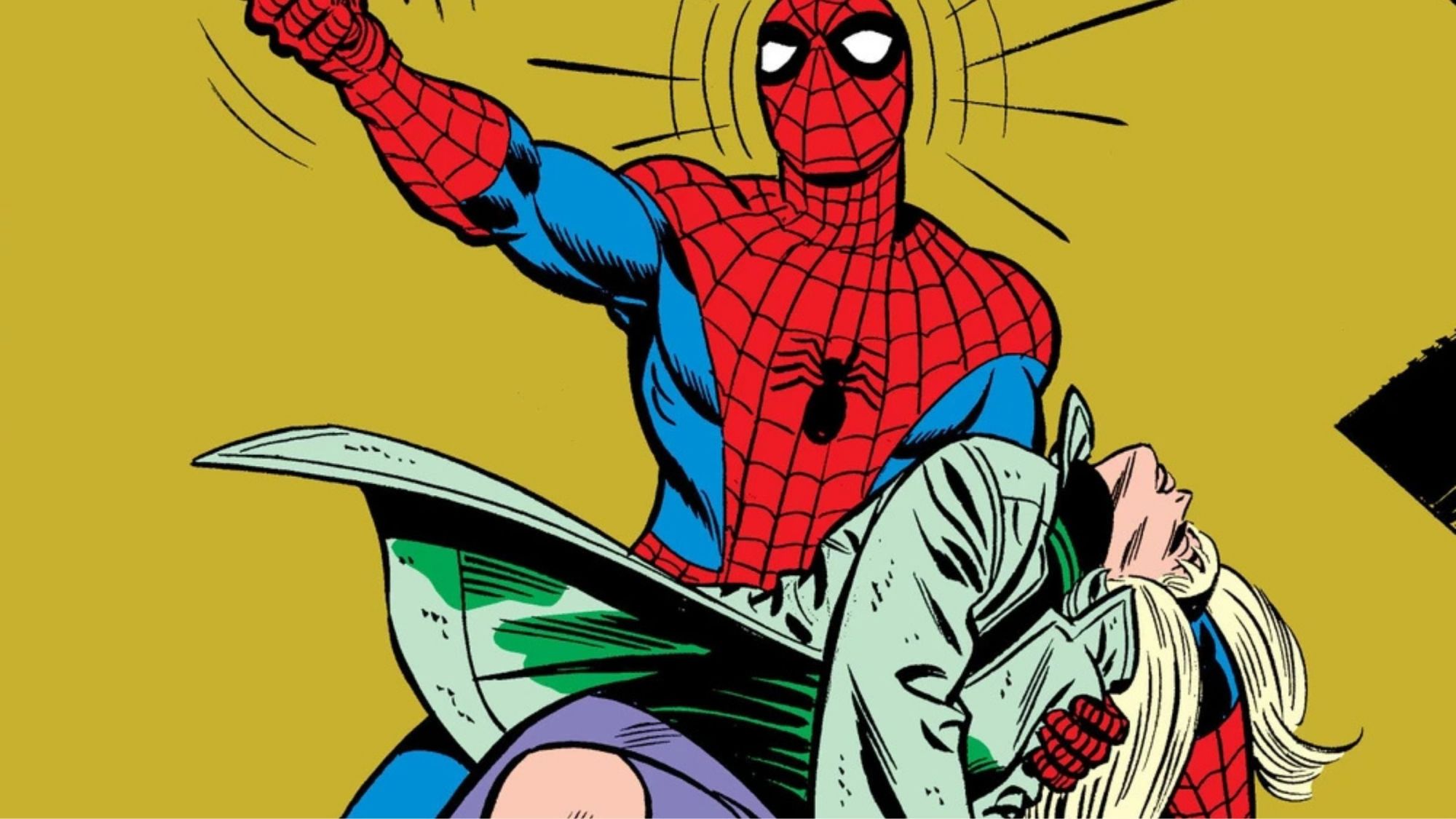
Spider-Man’s entire hero’s journey is based on tragedy and death. In his debut appearance in Amazing Fantasy #15 (1962) by Stan Lee and Steve Ditko, teenager Peter Parker was bitten by a radioactive spider and became Spider-Man. However, he decided to make money with his powers until his refusal to stop a thief led to the death of his Uncle Ben. He swore to become a hero after that and chose to save everyone he could. “The Night Gwen Stacy Died” storyline led to Peter’s girlfriend dying while he was fighting the Green Goblin, and that moment is considered the issue that ended the Silver Age of comics because anyone could die.
While Gwen’s death was tragic and almost destroyed Spider-Man, it wasn’t the most tragic death in Spider-Man comics.
Harry Osborn’s Death Was More Tragic Than Gwen Stacy’s Death in Spider-Man Comics

There have been several impactful deaths in Spider-Man comics. Uncle Ben’s death started Spider-Man on his journey to becoming a hero. Captain Stacy’s death strained his relationship with Gwen, who blamed Spider-Man for his death. Gwen Stacy’s death ended the Silver Age and hurt Spider-Man more than any other. Captain Jean DeWolff made Spider-Man realize that he couldn’t save everyone. Even Aunt May died in the comics, although she returned. However, with all these deaths, Harry Osborn’s death was the most tragic.
Harry Osborn was Peter Parker’s best friend and was actually dating Mary Jane Watson while Peter and Gwen were dating. However, Harry had some major problems in his life, and a later retcon revealed that it was all his father Norman’s fault. In The Amazing Spider-Man #72 (2021) by Nick Spencer, Federico Vicentini, Ze Carlos, Marcelo Ferreira, and Carlos Gomez, it was shown that Norman Osborn made a deal with Mephisto when Harry was a baby, and Norman traded Harry’s soul for success. Harry was cursed since he was a child. Harry was destined to suffer numerous tragedies when he reached adulthood, and then he would go to Mephisto’s realm of Hell when he died.
This was shown in great detail throughout Harry’s troubled life. While he was dating Mary Jane and was best friends with Peter Parker, Harry developed a drug addiction. His father always dismissed him and treated Harry like a nuisance and a failure, so Harry never had anyone at home to help him along the way. When Harry overdosed, Norman blamed Peter and Mary Jane, rather than taking the blame himself. Things finally fell apart when Gwen died, and then the Green Goblin also died. When Harry learned his father was the Green Goblin, and Peter was Spider-Man, Harry lost it and took his father’s place as the Goblin.
Harry Osborn’s Green Goblin became one of Spider-Man’s greatest enemies because he felt Spider-Man killed his father. Harry, who was neglected by his dad and whose own father damned his soul when he was a child, fought in his father’s name, and it was a genuine tragedy. What made it so tragic was how Harry Osborn died.
This happened in The Spectacular Spider-Man #200 (1993) by J.M. DeMatteis and Sal Buscema. Harry had recovered and was living a family life with his wife, Liz Osborn, and his son, Normie. In the previous issue, Peter learned that Harry had been released from the Vault on a technicality, and he was starting to have hallucinations and visions again. Peter, angry, wanted to ensure that Harry didn’t hurt him again, and Harry took on the role of the Green Goblin again. He first went to Mary Jane and told her that this all started when Gwen died, and he said Peter “framed” his father for that.
What happened next was typical of Spider-Man in that era. He showed up, yelled at Harry, and attacked him before Mary Jane stopped him. Harry lashed out at Peter, saying he always makes things about himself and that is why Spider-Man has always been the bad guy. He left, and Spider-Man wanted to go and attack him again, even though Harry wasn’t trying to fight at all. This entire story went to great lengths to show Harry’s struggles and Peter’s constant anger issues.
The ending was tragic. Even with Mary Jane still trying to save Harry Osborn, Spider-Man wouldn’t stop fighting, and Harry got more and more dangerous. In the end, the Green Goblin won and left Spider-Man in a building rigged with explosives to die. However, this also caused Harry to snap out of it, and after saving Mary Jane and Normie from the burning building, Mary Jane convinced him to save Spider-Man as well. Harry flew back into the building and saved Spider-Man, dying in the process.
Harry Osborn died by saving Spider-Man, the one person who wanted nothing but to hurt him throughout this entire issue. While the Green Goblin was the villain in this story, Spider-Man was just as unreasonable and, in the end, it was Harry who saved the day, albeit from a disaster he caused. When Spider-Man held Harry’s hand as he died, it was a tragedy for Peter, who lost his best friend, and Normie, who lost his father.
“The Night Gwen Stacy Died” Was Important, But Marvel Moved Past It Too Easily
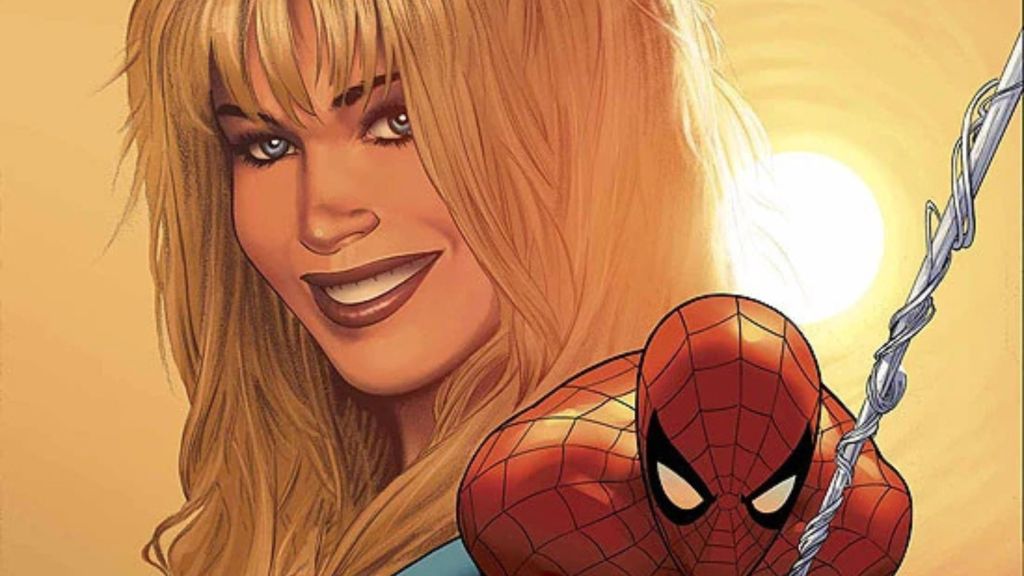
Gwen Stacy’s death was important, but there is one big thing that makes it less impactful than Harry Osborn’s death. Marvel Comics had already started to strain Spider-Man and Gwen Stacy’s relationship before this moment. She hated Spider-Man, whom she blamed for her father’s death. She spent a lot of time away from Peter leading up to this, and while her death was tragic and drove Spider-Man to want to kill Norman Osborn, the aftermath ruined the impact of this death.
Peter Parker was heartbroken, and readers were shaken up by the death, marking the end of the Silver Age. However, soon, Peter and Mary Jane began dating, with Harry no longer close to Mary Jane thanks to his drug addiction and mental health problems. It didn’t take long for Marvel readers to realize that Mary Jane was Peter Parker’s endgame, and Gwen Stacy was forgotten about sooner than she should have been. Gwen Stacy’s death was a tragic moment in Marvel Comics history, but Marvel replaced her so quickly that it neutered the long-standing effect of the death.
To this day, Harry Osborn’s death remains an important part of Spider-Man’s life, and it has turned Normie Osborn into the man that he grew into. Even with Harry coming back to life during “Brand New Day,” it didn’t change his death; it only made it more interesting. The Kindred storyline pushed this even further into darkness, and the Mephisto reveal showed it was never even his fault. Gwen’s death was sad, but Harry’s entire life was a tragedy.