Since Yellowstone premiered in 2018, Taylor Sheridan has been one of the most prolific and influential creators of modern television, producing a vast catalog of hit series for both broadcast and cable networks and streaming services such as Paramount+. All five series in the interconnected Yellowstone franchise, as well as several of Sheridan’s other shows are Westerns, with the actor and filmmaker having almost single-handedly engineered a massive resurgence in the small screen popularity of the genre. Part of the reason he was able to do so is because he had already contributed to a similar revitalization of cinematic Westerns. Having worked as an actor, primarily on television, since the 1990s, Sheridan transitioned to a focus on screenwriting in the 2010s. Starting in 2015, three films based on Sheridan’s original scripts premiered in successive years to critical acclaim. All three are mature crime dramas that feature distinctive elements of the Western genre and are often described as a stylistic trilogy that helped inspire renewed interest in the genre. Denis Villeneuve directed 2015’s Sicario, while David Mackenzie helmed Hell or High Water.
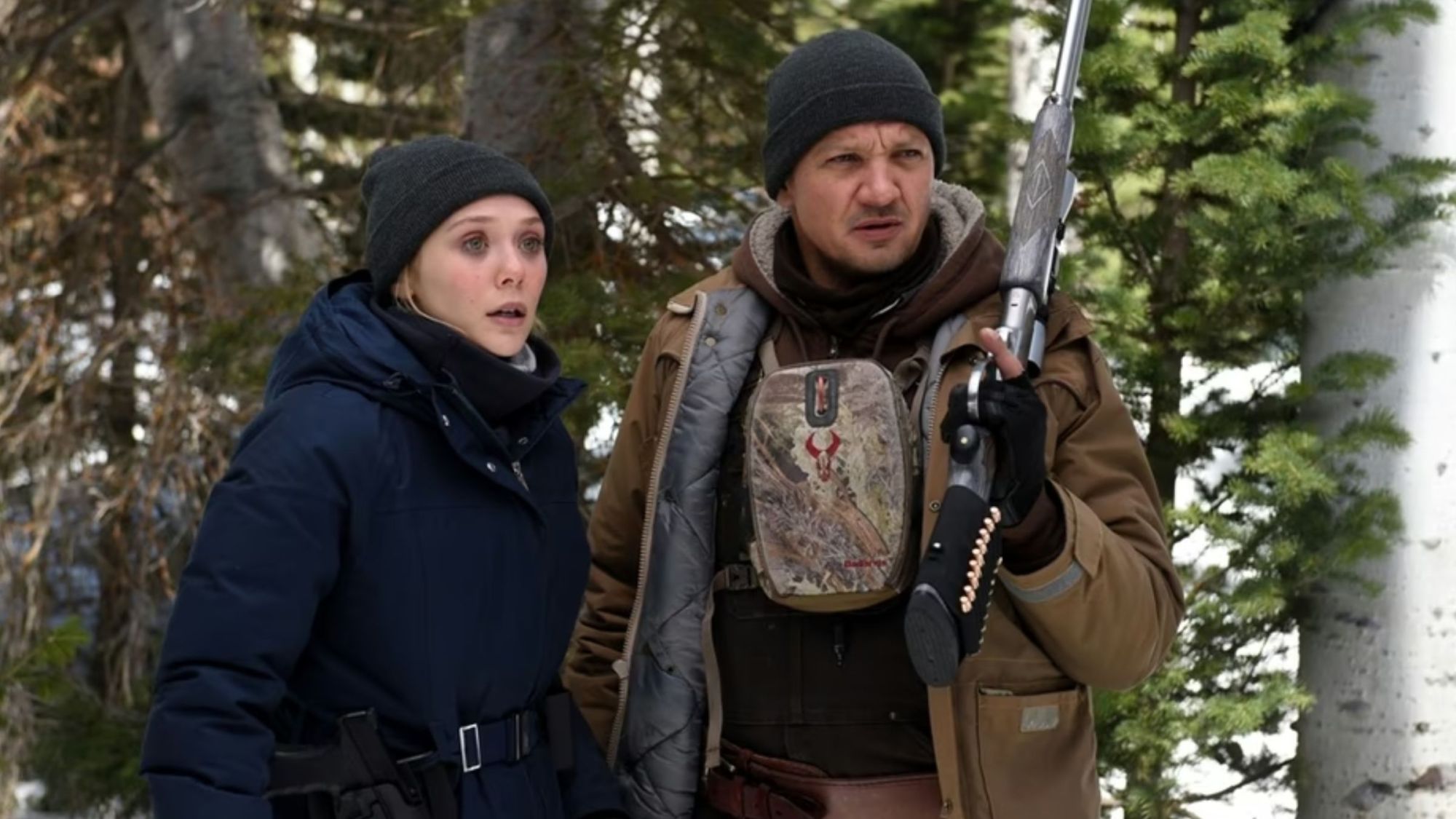
Sheridan returned to the director’s chair for 2017’s Wind River after having only previously helmed the 2011 horror film Vile. The former starred Jeremy Renner and Elizabeth Olsen, who had already established strong onscreen rapport in the Marvel Cinematic Universe films Avengers: Age of Ultron and Captain America: Civil War, and the supporting cast includes many performers familiar to fans of both Marvel and Sheridan’s later projects. The film depicts a fictional murder investigation taking place in and around the real Wind River Indian Reservation in Wyoming. But while it was a box office success and received mostly enthusiastic reviews, some aspects of the film have grown more controversial over time, and its ties to an infamous Hollywood scandal seemingly prevented it from receiving as many accolades as Sicario or Hell or High Water.
Wind River Reunited Two Avengers Stars

In the film, Renner plays Cory Lambert, an agent of the U.S. Fish and Wildlife Service who lives and works near Wind River. While hunting an animal on the reservation, Cory discovers a frozen corpse barefoot on the snow-covered landscape, quickly identifying it as belonging to Natalie Hanson (Kelsey Asbille), a teenage member of the Northern Arapaho tribe who had been a close friend of Cory’s own late daughter. When law enforcement surmises that Natalie was likely sexually assaulted prior to her death, young FBI agent Jane Banner (Olsen) is dispatched from Las Vegas to aid in the investigation.
A Florida native, Jane is initially unprepared for the brutally cold conditions of the reservation, but Tribal Police Chief Ben Shoyo (Graham Greene) is soon impressed by her devotion to finding truth and justice for Natalie, noting that it is not the kind of attitude he is used to from federal employees sent to the reservation. Despite this, with the minimal resources of Ben’s police force and no additional federal assistance, they make little progress in finding Natalie’s killer. Realizing that the key to the case will be navigating and tracking the guilty parties through the difficult terrain, Jane unofficially recruits Cory to help investigate, noting that doing so is not different than his usual work “hunting predators.”
The scene from Age of Ultron in which Renner’s Hawkeye convinces Olsen’s Wanda Maximoff that the best way to make amends for her mistakes is by fighting to save lives as an Avenger is considered a highlight of both characters’ MCU histories, and Civil War continued to develop the surrogate father/daughter bond between the pair, cementing them as one of Marvel’s most beloved onscreen duos. This makes Wind River a must-watch for fans of the pairing. Renner and Olsen’s chemistry is just as dynamic as in the MCU and the darker subject matter and more intimate scale of Sheridan’s film lets them deliver even more nuanced, moving performances.
Despite Critical Acclaim, Wind River Faced Controversies
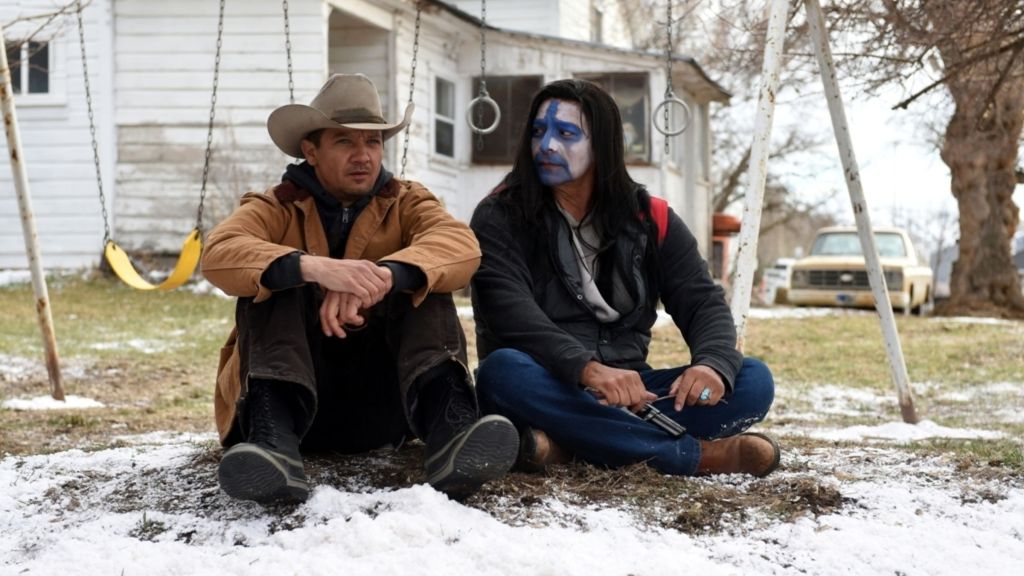
But while the leads’ acting received well-deserved praise, the choice to place their characters at the center of the narrative is itself one of the divisive aspects of Wind River. While most acknowledged that the film accomplished Sheridan’s goal of drawing attention to the disturbing real-world frequency of violent crimes against indigenous women, some questioned the choice to focus primarily on two white characters’ reactions to these crimes. While Cory, Jane, and Ben do solve Natalie’s case, the film recognizes that the larger problems that led to her death and influenced the case are still depressingly widespread, so it would be hard to genuinely argue that the film exemplifies the problematic “white savior” story trope. But it would be similarly hard to disagree with the assertion that devoting more attention to the indigenous characters could have made the film even stronger. Some reviews were also critical of the generally bleak portrayal of reservation life, questioning whether a single white writer was equipped to accurately portray the complexities of indigenous peoples’ feelings towards their own communities.
Wind River was initially distributed by The Weinstein Company. Shortly after numerous allegations of sexual assault against Harvey Weinstein were publicized in 2017, Lionsgate acquired the film’s distribution rights for home media. With The Weinstein Company’s name and logo having already been removed from the film’s credits, promotional materials, and home media packaging, Sheridan also successfully called for all proceeds that were previously expected to go to Weinstein to instead be dedicated to charity. Acacia Entertainment and Louisiana’s Tunica-Biloxi tribe subsequently paid for the film’s Academy Awards campaign, but it ultimately was not nominated in any categories, which many speculate was due at least in part to its association with Weinstein.
In 2022, fans were surprised by the announcement that a sequel to Wind River was in development. Titled Wind River: The Next Chapter, it is described as being centered on Chip Hanson, Natalie’s troubled brother, with Martin Sensmeier reprising his role from the first film, alongside Gil Birmingham, who plays the siblings’ father, Martin. Neither Renner nor Olsen have been announced as part of the cast and the film has seemingly had a troubled post-production, having not yet been released despite reports that it finished filming in 2023. In a 2025 interview, cast member Jason Clarke said the film had “been locked up in legalities,” but remained confident it would eventually be released.