
The X-Men are on the cusp of even greater success than ever, which is saying something. The mutant team debuted in the ’60s Marvel boom, from the superstar team of Stan Lee and Jack Kirby, but once the two of them left, the book just couldn’t sustain its momentum and became one of the least popular of Marvel’s Silver Age titles. It sold well enough to be a reprint book, but not well enough for new stories. However, all of that changed in 1975, when Len Wein and Dave Cockrum teamed up for Giant-Size X-Men #1, introducing a new mutant team to the world. This issue was a hit and X-Men #94 was the first original new issue of the book in years, with writer Chris Claremont joining Cockrum.
Claremont and Cockrum set the standard for the book, then John Byrne came on and shifted everything into overdrive. X-Men became one of the most popular books around, heading into the ’80s with their best foot forward – “The Dark Phoenix Saga”. Now titled Uncanny X-Men, the book entered the decade at the height of its powers and would go on to become a sensation. The ’80s would become an amazing era for the group, redefining them and expanding the mutant side of the Marvel Universe. There are many who say that the decade was the X-Men’s definitive era, and these ten reasons make the argument for them.
10) The Best Women in Comics
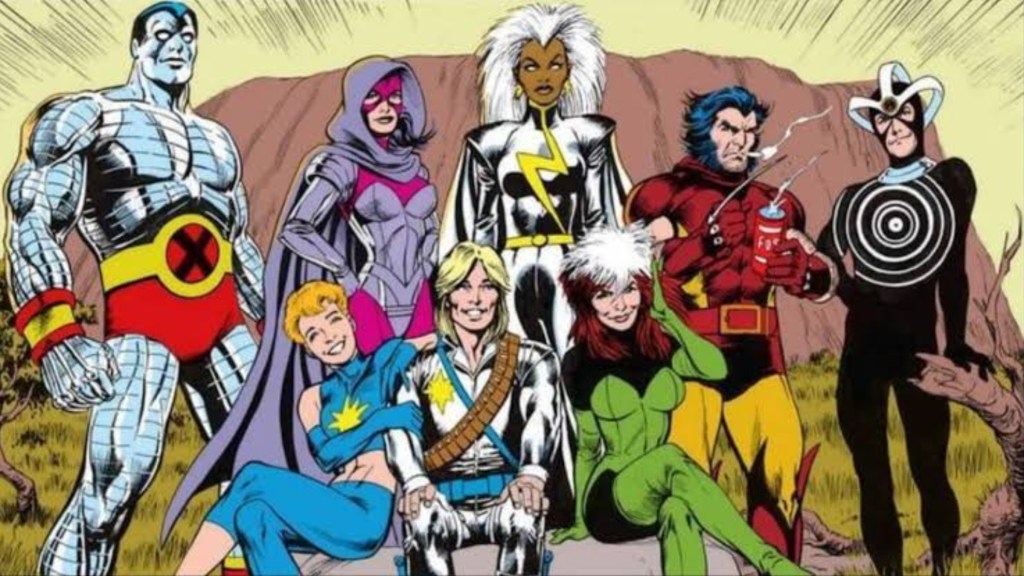
When Uncanny X-Men entered the decade, it boasted Jean Grey and Storm, with Kitty Pryde joining the team. Jean would end up leaving, but down the road we’d get even more women joining the team, with Rogue, Psylocke, Phoenix II, Dazzler, and Polaris all becoming X-Women. Meanwhile, you also had Mystique, Emma Frost, Destiny, Valerie Cooper, Moira MacTaggert, Lilandra, Spiral, and many more as villains and supporting cast members. Oh, and then you have the New Mutants, with Karma, Mirage, Wolfsbane, Boom Boom, Magik, Magma, and more I’m probably missing. I don’t think I need to do X-Factor; you get the point.
The X-Men have the best women in comics and the ’80s are the genesis of this. Claremont and New Mutants/X-Factor writer Louise Simonson filled the teams with women and it paid off. Characters like Storm, Rogue, Emma Frost, Mystique, and Destiny all became icons and most of the rest are pretty well-loved by fans. The ladies made the ’80s for the X-Men, with some of the best stories revolving around them and their intriguing lives.
9) The Team Kept Changing
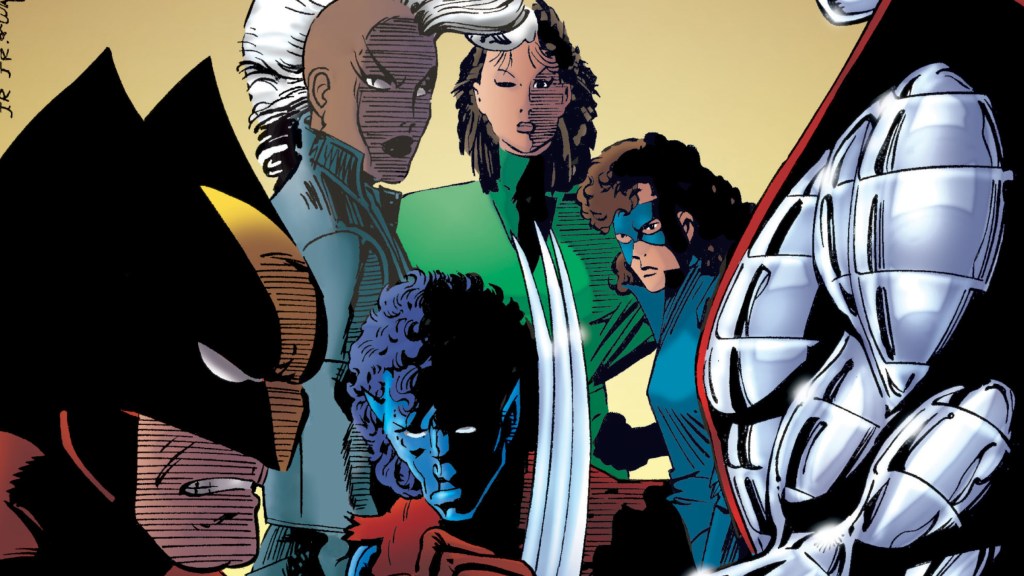
Everyone loves a roster change, but they’re a tight rope to walk when a book is as popular Uncanny X-Men was. Fans fell in love with the All-New, All-Different team, but the ’80s would see things start to change almost immediately. Cyclops and Jean Grey were gone by the end of “The Dark Phoenix Saga”, leaving the core of Storm, Wolverine, Nightcrawler, Colossus, and Kitty. They would be joined by more members of the team, the roster ebbing and flowing as characters went off and were replaced. These roster changes helped make numerous characters popular over the decade, putting them in the spotlight of the bestselling comic in the industry.
However, those weren’t the only changes that made the book so great. Claremont had been writing the X-Men for five years by the time the ’80s dawned; that’s five years of the mansion, Sentinels, Magneto, the Brotherhood of Evil Mutants, and the like. In the decade of excess, the writer would start to take the team all over world, leaving the mansion for long periods of time. The status quo of the book was fluid; sometimes you’d get a space epic, sometimes you’d get three stories with different members of the team doing different things. By the time the Outback Era dawned, readers weren’t even all that surprised anymore by the changes. They were part of the book and it’s a huge reason mutant books were so exciting. They were always moving, always changing, and this kept the readership invested.
8) Comics’ Greatest Soap Opera
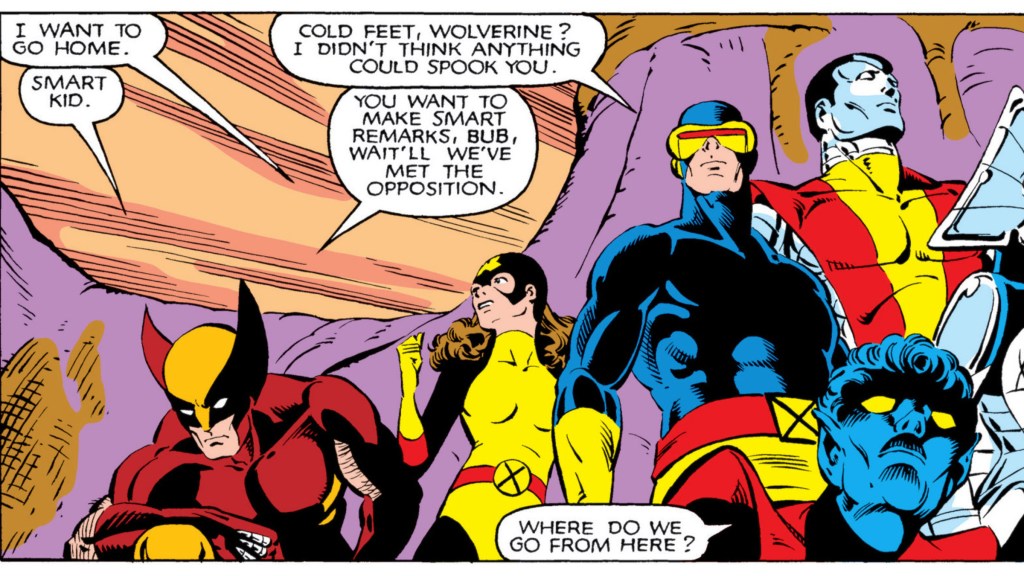
Fans loved Chris Claremont’s X-Men stories and a big reason for that was that they were just a big superhero soap opera. It wasn’t the first example of a soap opera in the industry; the Legion of Superheroes had been doing that for years (Cockrum was a Legion artist for a while; the designs for Storm and many of the other characters he drew were meant for the Legion, which is obvious when you look at the Shi’Ar Imperial Guard). However, Claremont proved to be especially adroit at this kind of storytelling, leading the book to the highest heights of the sales charts.
The X-Men are a massive team of beautiful people and their beautiful enemies, all enmeshed in this giant web of love and hate. Claremont’s prose was as purple as it came; the man never meant a scene he couldn’t over-explain so you understood the emotional nuance of every character and their relationships perfectly. Characters hooked up, characters squabbled, characters broke up, characters died. They hung out together or went off on their own to ruminate on their lives. You felt like you knew these characters, which helped all the drama heaped on the mutants really pop. It was one of the draws of the series’; fans loved the soap opera of their lives.
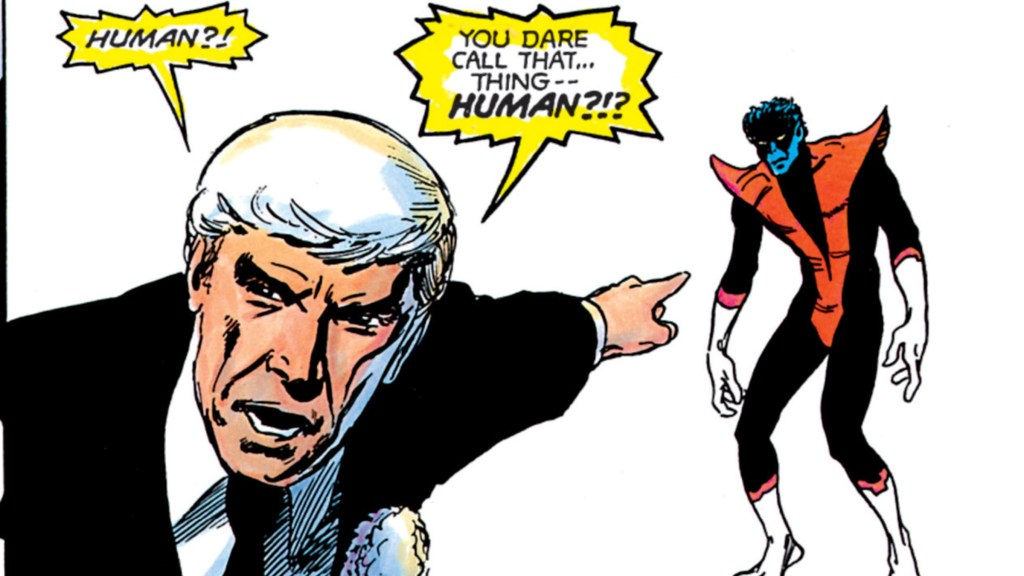
The X-Men were introduced at the height of the civil rights movement and the book’s central idea – the peaceful co-existence of mutants and humans – resonated with audiences of the day. However, this was Marvel in the ’60s; the company was all about superheroes back then, with the messages of the stories secondary to the big action. It was there, but it was just a background part of the story most of the time. However, Claremont would start to change all of that. While his X-Men stories had more than their share of sci-fi/fantasy-based superhero action, he started to play more and more with the ideas behind the X-Men.
The ’80s were the time when the X-Men comics got political, with “Days of Future Past” introducing the idea of the Mutant Registration Act right at the beginning of the ’80s. From then on, the racial struggle of the book became more and more important to the various narratives. The writers of the X-books were making statements with stories like X-Men: God Loves, Man Kills, and it felt like the fruition of the idea for the team. It gave them another facet to explore, showing the ugly realities of the world to readers.
6) The Redemption of Magneto
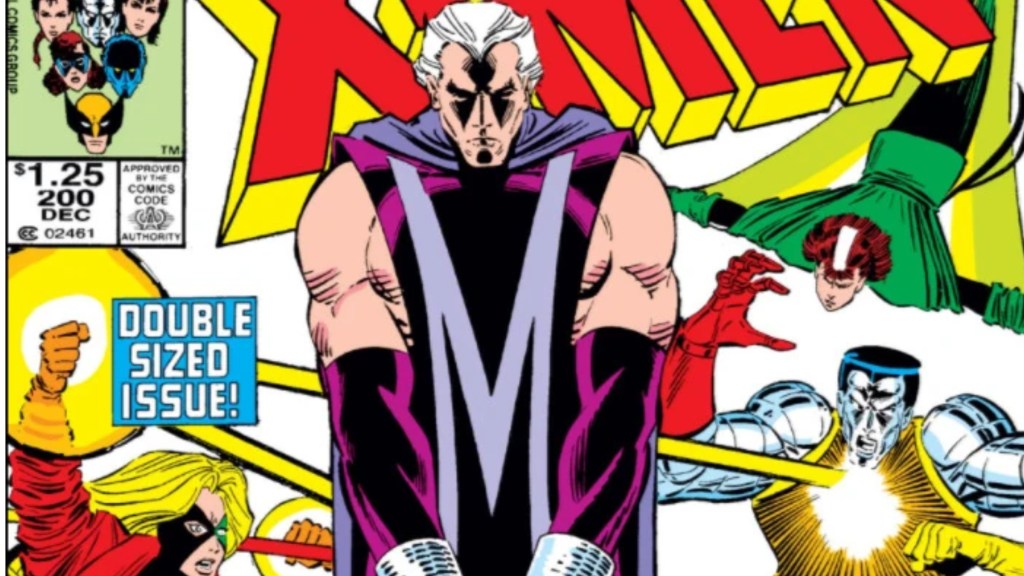
Magneto has been an X-Man for years and you can thank the 1980s for that. The villain first appeared alongside the team in X-Men (Vol. 1) #1 and became their greatest foe, his dream for the world one of mutant domination. Back in the Silver Age, he was basically just Doctor Doom who hated humans instead of Reed Richards, powerful and one-note. Claremont would change that in the ’80s by finally revealing his tragic origin. Mags was a survivor of the Holocaust and his child had been killed by humans after discovering he was a mutant. His hatred came from his trauma and readers started to understand him better.
Stories like X-Men: God Loves, Man Kills saw the two foes team up, showing that they could work together. Xavier and Magneto’s former friendship was played up and that would lead to Uncanny X-Men (Vol. 1) #200, where the mutant master of magnetism turned himself in for crimes against humanity. He was able to beat the charges and joined the X-Men, helping train the New Mutants and battling against the biggest threats to the world. It changed the character completely; he wasn’t all sold on Xavier’s dream, but he was willing to work towards a better future for humanity and mutantkind together. Claremont would make him a villain again when he finished his first run in 1991, but through the ’80s, readers got the best Magneto character arc they could ask for, making him an even more beloved character than he would have been otherwise.
5) The New Mutants Opened the Doors for More Mutants Teams

The X-Men spent the last half of the ’70s growing their audience, and by the ’80s, things were hitting a fever pitch. Marvel realized that they could expand the line, leading to 1982’s Marvel Graphic Novel #4: The New Mutants. This book saw Xavier decide to bring a new group of teens to the school. The graphic novel was successful, leading to the team getting their own ongoing series, with Claremont and Simonson writing the book throughout the ’80s. The New Mutants’ name comes from the original name of the team (the X-Men were originally supposed to be the Mutants, but everyone thought fans wouldn’t like the name) and the book followed its example, introducing five new mutants to readers just like the original had.
Claremont and Simonson were able to take the idea of a teen mutant team to places that Marvel’s Silver Age creators couldn’t take the original five X-Men. Fans fell in love with Cannonball, Mirage, Karma, Sunspot, Magik, Wolfsbane, Doug Ramsey, Warlock, and Magma, with young mutants like Rictor, Rusty Collins, Skids, and Boom Boom showing up down the road. Fans loved them so much that they got spin-off books like X-Terminators and Fallen Angels, showing Marvel that more mutant teams are better than less mutant teams. This would lead to the birth of X-Factor and Excalibur as the decade went on, with more teams coming in the years ahead.
4) The Rise of Wolverine
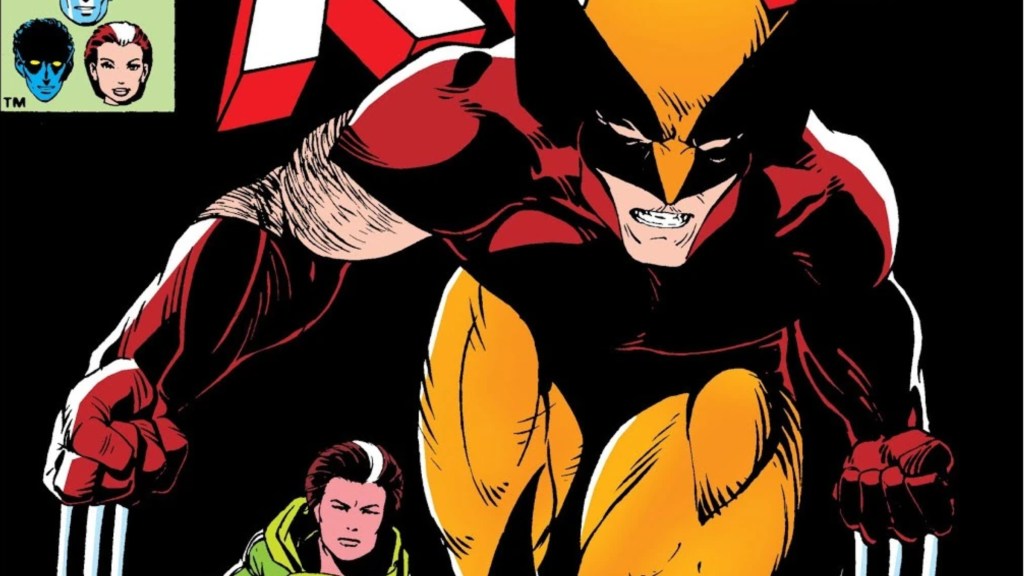
Wolverine is the best there is at what he does and what he does is sell comics. Logan was first introduced to readers in The Incredible Hulk #181, because Marvel wanted a Canadian hero to help their books sell in the Great White North. Writer Len Wein would bring the character to the X-Men, handing him off to Claremont. This was the best decision anyone could possibly make; Claremont was able to take the unformed clay of the character and make him into something special. The anti-hero was the mouthy loner with a heart of gold, the mysterious killer who took things too far but loved his friends fiercely.
Fans connected with the character in the ’70s, but it was the ’80s that would see him hit the highest heights. He got his first solo book in 1982 and would start to become the focus of more and more stories. He’d star in more miniseries and one-shots throughout the decade, all while becoming the co-main character of the hottest book in comics. Wolverine’s success was a key part of the rise of the X-Men and the ’80s showed how important he was to the rise of the group. Go back and read the classics of the ’80s; none of them would be nearly as great without Wolverine up front.
3) It Was the Bestselling Book in the Industry When That Mattered

Comic sales are something of a mystery nowadays. No one releases their publication numbers anymore; several websites use a sample size of stores to figure out which one was the bestselling among them, but it honestly doesn’t really matter. Over the last decade and change, the consistent bestsellers have been Batman and The Amazing Spider-Man, and if you listen to the way people talked about those books at times, you’d have a hard time figuring out why they sold so well. The top book in the industry is honestly rarely all that important anymore and most fans couldn’t tell you what it was, partly because we don’t actually know, but would probably guess Absolute Batman. They’d have a huge chance of being right.
However, it wasn’t like that in the ’80s. The bestselling book was the most prestigious book in the industry, the one that set the standard for everyone else. That was Uncanny X-Men in a nutshell and as the years went on, more X-books would join it at the top of the sales charts. It didn’t always win, but it was always the bestselling the Marvel book and it helped recast the entire comic industry in its image. Everyone was chasing Uncanny X-Men, trying to ape its formula in some way to get readers. It was the book back then that mattered and it helped create the modern comic industry for better and for worse.
2) The Most Important Stories

I want you to do something for me. Name some of the best stories of the ’70s. Go on. I’m not asking that to imply the stories were bad in the ’70s, but as far as it goes, other than the M’Kraan Crystal saga and the dawning of the Phoenix, these stories weren’t important beyond being bedrock for the team’s better stories in the years to come. The ’80s would kick off with the all-time great “The Dark Phoenix Saga”, then hit readers with “Days of Future Past” and “Demon”. That’s all within 1980 and 1981, in about years of issues. That’s a wild run of stories and it was only the beginning.
Over the rest of the decade, we’d get all-time classics like Brood Saga, “Lifedeath”, “Mutant Massacre”, the battle against the Adversary and Outback Era, “Inferno”, the Genosha arc, and more amazing single issue stories than you could shake a stick at. Oh yeah, and we had the various mutants books of the decade and their stories, banger after banger after banger. The stories of the ’80s defined the X-Men, creating the characters and storylines that would echo down through the decades to today. These are some of the greatest superhero stories of all time and you get them all from one team in one decade.
1) Chris Claremont
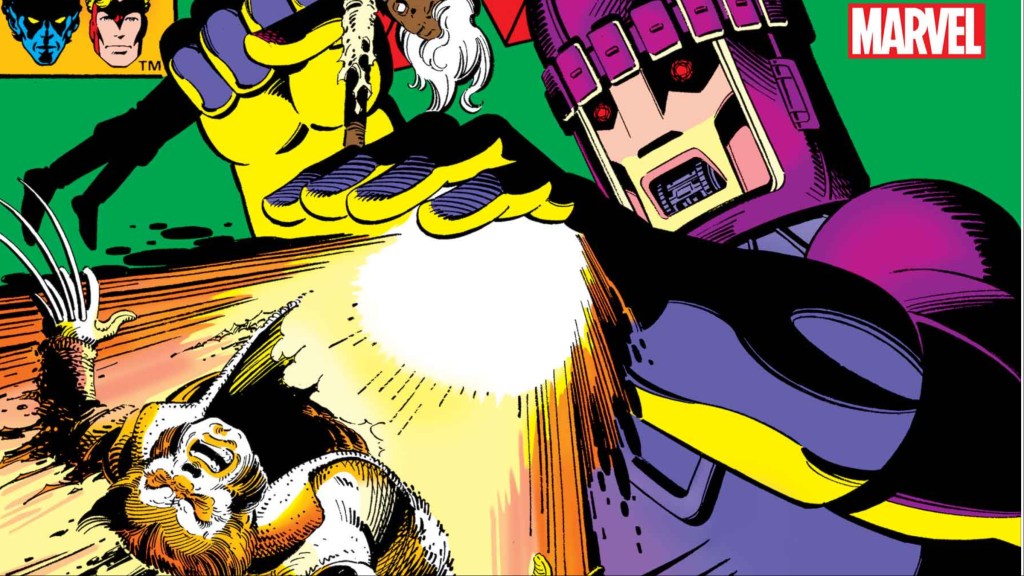
There are numerous factors in the success of the X-Men, but none of them are as important as writer Chris Claremont. Claremont had been writing B-list Marvel titles before he was given the team, a huge change for the young writer to shine. I’m sure Marvel thought the book would be successful, but I don’t think anyone could have guessed how far Claremont would take the book. He was able to take a mostly new team and make them shine, all while taking characters that had failed in the past and making them into fan-favorites.
Claremont’s run of stories in the ’80s is the stuff of legends. The writer played a huge role in the maturation of the medium; while Alan Moore gets all the credit, stories like “The Dark Phoenix Saga” and “Days of Future Past” went in mature, darker directions and were the bestselling books around. He didn’t write for children, he wrote for fans. He was able to create complex stories and make it all make sense, all giving characters their definitive voices for an entire generation of readers and creators. Chris Claremont made the X-Men legendary and they allowed him to show that he was the best writer of his generation of Marvel creators by a wide margin.
Do you think the ’80s are the definitive decade of the X-Men? Or do you think it’s another one? Anything I missed? Sound off in the comments below.