Sci-fi is a pretty complex genre to begin with, so making a movie in this space is no easy task, let alone turning it into a successful franchise — or a trilogy. After all, when a story has an original concept, builds a world worth exploring, and wins audiences over, it’s only natural for Hollywood to want to keep that formula going. However, not every idea needs multiple sequels, and some trilogies make that clearer than others: no matter how hard they try to expand the story, none of the follow-ups can quite match what made the first film so special.
And yes, all three features in a trilogy can be good overall, with none of them necessarily deserving harsh criticism, but there’s usually one that stands out so much that it’s the only one you still recall years later. In this list, you’ll find a few examples of trilogies like these, where the sequels ended up losing what made people fall in love with the original.
4) Men in Black

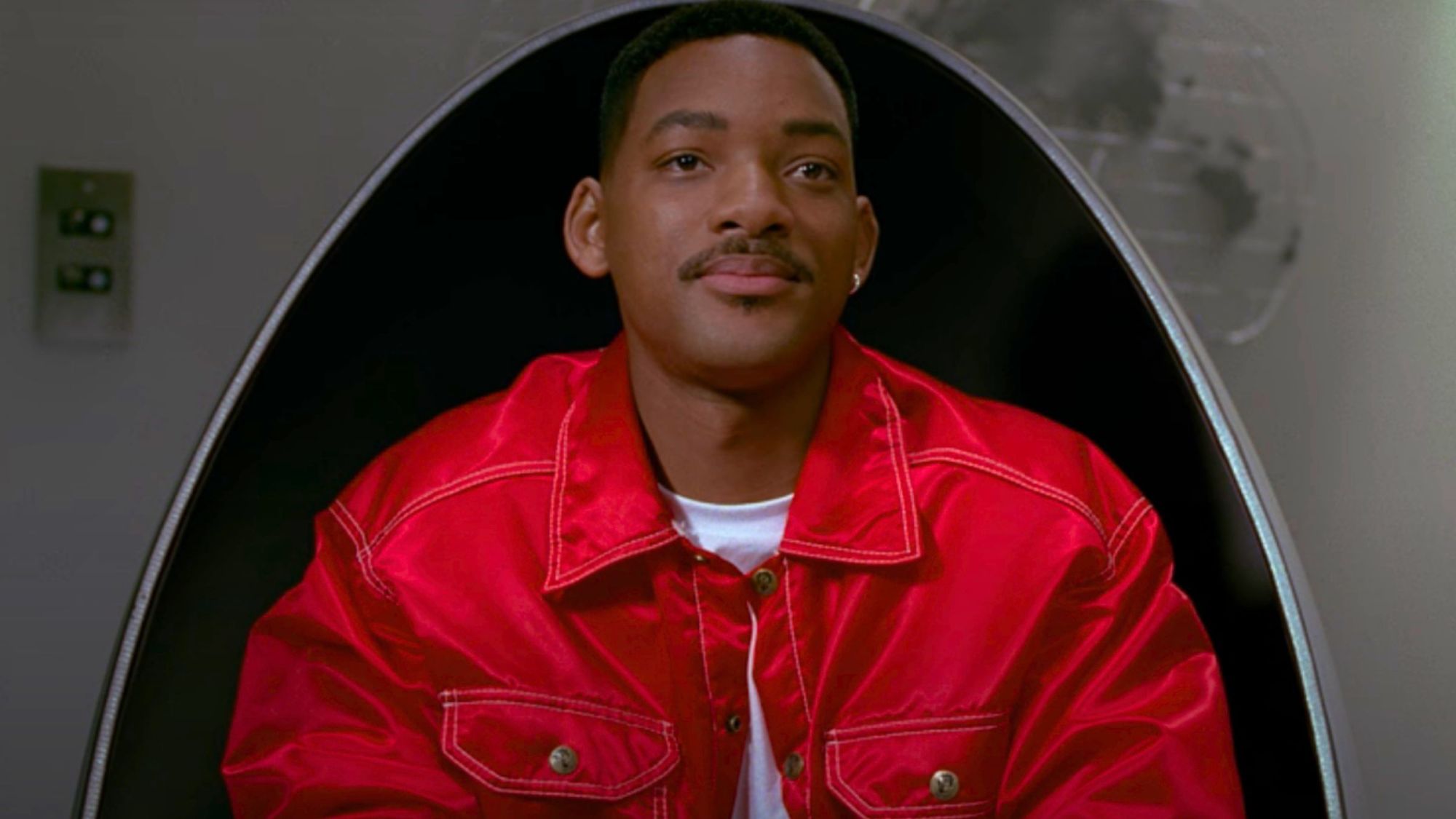
It’s hard to repeat the formula of Men in Black without ending up doing more of the same, and the two sequels show why. In the first movie, James Edwards (Will Smith) is a police officer who catches the attention of a secret organization responsible for monitoring aliens on Earth and ends up working alongside the grumpy Agent K (Tommy Lee Jones). That setup leads to several funny situations, but what really makes the original the best of the trilogy is the chemistry between its leads: J is always asking questions, breaking the rules, and reacting with amazement to the creatures he finds, while K treats even the most absurd situations as just another day on the job. It’s this dynamic that gives the story its personality and keeps the parade of bizarre aliens and futuristic gadgets from getting old.
In Men in Black II, much of that novelty is gone, as the film relies on repeating jokes and situations audiences are already familiar with. Men in Black 3, meanwhile, tries to change things up by exploring K’s past and adding more emotional weight to the relationship between both agents. That idea works too, but the result isn’t as iconic as the original. The first Men in Black doesn’t need to rely on nostalgia or make its story bigger to keep audiences entertained; it knows how to make the most of its characters, its premise, and the fun of imagining all kinds of aliens living among us without anyone noticing. None of the sequels captures that same effortless charm.
3) Back to the Future
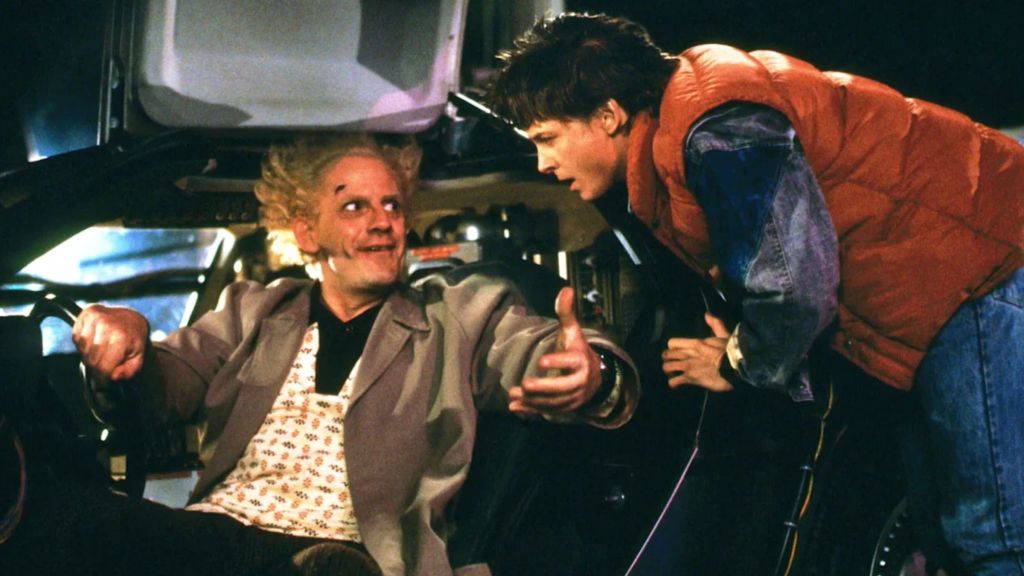
Creativity is the name of the game here, as few sci-fi movies manage to maintain that same level of it throughout their run. And the entire Back to the Future trilogy is fantastic, but the first installment still comes out on top since its story is much simpler and more tightly written than the others. This is where we meet Marty McFly (Michael J. Fox), a teenager who accidentally travels from 1985 to 1955 using a time machine built by scientist Doc Brown (Christopher Lloyd). The problem is that Marty ends up interfering with his parents’ first meeting and has to make sure they fall in love before his actions erase his own existence. The film makes time travel easy to understand and keeps the whole experience fun. Besides, the relationship between Marty and Doc is so iconic that it has become a lasting part of pop culture.
And what happens with the other movies? Well, one tries to expand the concept by taking Marty to the future and introducing alternate versions of the present, while the other trades some of the sci-fi elements for a Western adventure. Both have great ideas and make good use of the characters, but just like Men in Black, they lean too much on what audiences already know about the story. The first Back to the Future, however, works perfectly well on its own. Time travel isn’t just a gimmick for creating funny situations — it’s the element that ties all the story’s conflicts together. After that, Part II and Part III are mostly about expanding on what came before, so watching them feels optional, almost as if they’re bonus movies rather than stories that needed to be told.
2) Jurassic Park
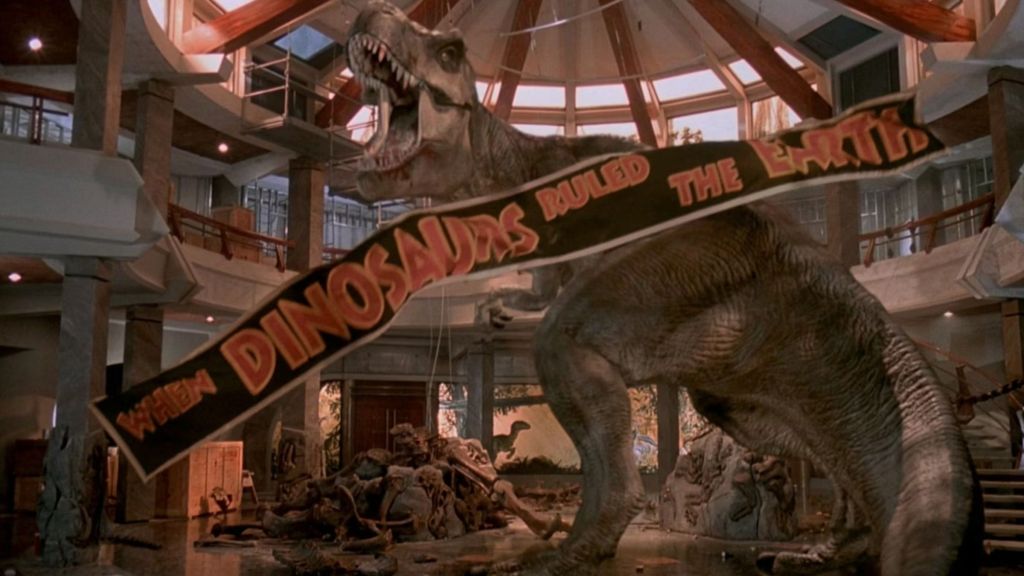
When it comes to the original trilogy, Jurassic Park is pretty much the obvious choice, even if the other movies still have their share of fans willing to defend them. And why? The first one is simply a classic, and the one people remember most since there’s more to it than just watching prehistoric creatures chase people around. The iconic narrative follows a group of experts invited to visit a theme park where dinosaurs have been brought back to life through genetic engineering. The project seems revolutionary until a security failure allows the animals to escape, turning the visit into a fight for survival. However, the movie never rushes to get to that point, because it’s important to understand what makes the park such an extraordinary attraction in the first place.
Anyone who remembers the first Jurassic Park remembers the feeling of seeing the dinosaurs for the first time and the sense of discovery that came with it. And once the danger kicks in, the tension comes not only from what we see, but also from wondering what might show up next. Can the sequels recreate the feeling? They try, but the second installment focuses more on making the adventure bigger, while the third opts for a more straightforward survival story. Both approaches have their merits, but neither strikes the same balance between spectacle, suspense, and character development. Basically, they rely on the idea that introducing a more dangerous dinosaur will automatically make them more entertaining. The problem is that doing this isn’t enough when what made the original so special was the feeling of witnessing something that should never have been possible.
1) RoboCop
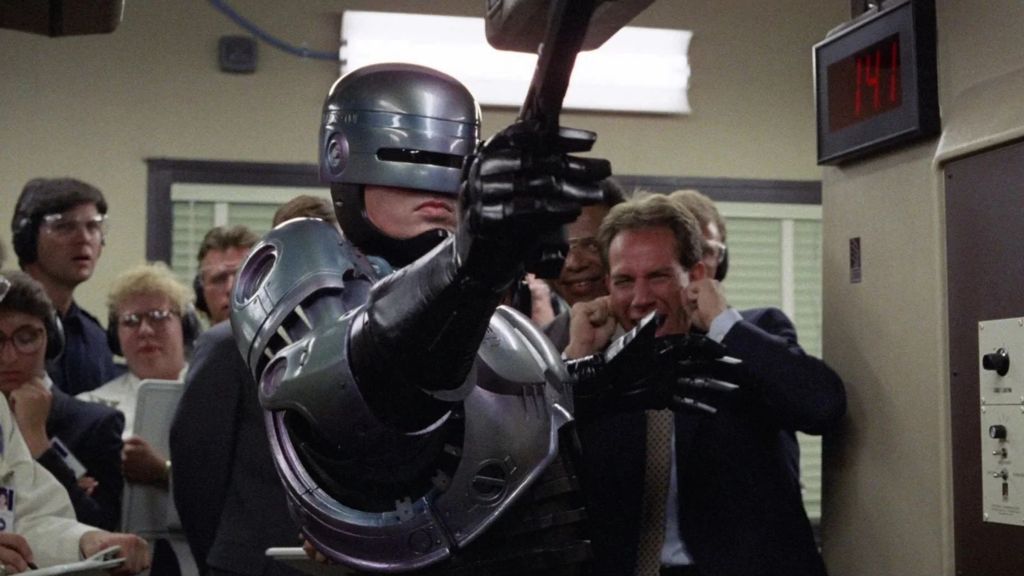
The ’80s gave us some truly special sci-fi action movies, and RoboCop is definitely one of them. But do you remember that it’s actually a trilogy and not just a standalone film? Probably not. In fact, the sequels make it easier to see just how much the original got right when combining brutal violence with a pretty biting critique of society. The story takes place in a crime-ridden Detroit dominated by corporate interests, where police officer Alex Murphy (Peter Weller) is killed on the job and turned into a cyborg by Omni Consumer Products. The company wants to use RoboCop as a solution to the city’s crime problem, but Murphy starts recovering memories of his former life and questioning who’s really in control of his actions.
And the film could have been just another story about a robotic cop taking down criminals, but it uses that conflict to poke fun at corporate greed, the privatization of public services, and the idea that everything can be a business opportunity. RoboCop 2 tries to follow the same formula with more violence and a new enemy, but it falls well short of the original’s precision, while the third movie takes a lighter, more family-friendly approach that strays completely from what made the first one stand out. The original RoboCop works as an action movie in its own right, with a protagonist whose humanity gives everything real weight, while still leaving plenty of room to criticize the world. The sequels keep the character and the basic concept, but they never quite manage to pull all of these together as effectively.