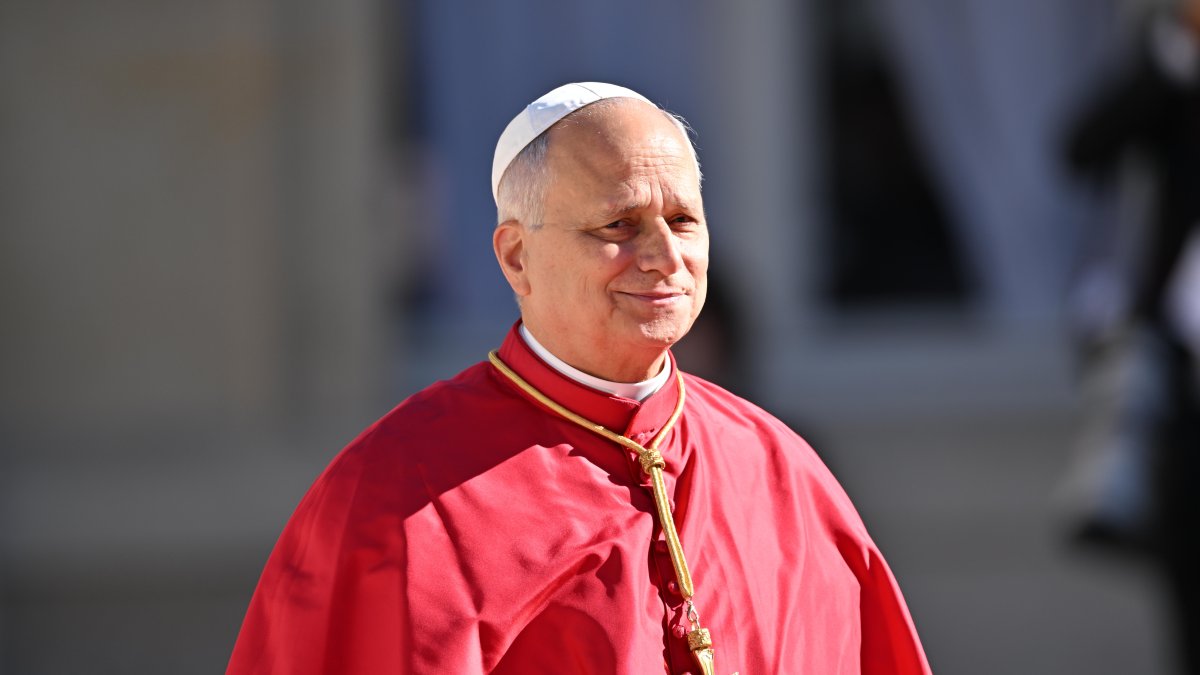
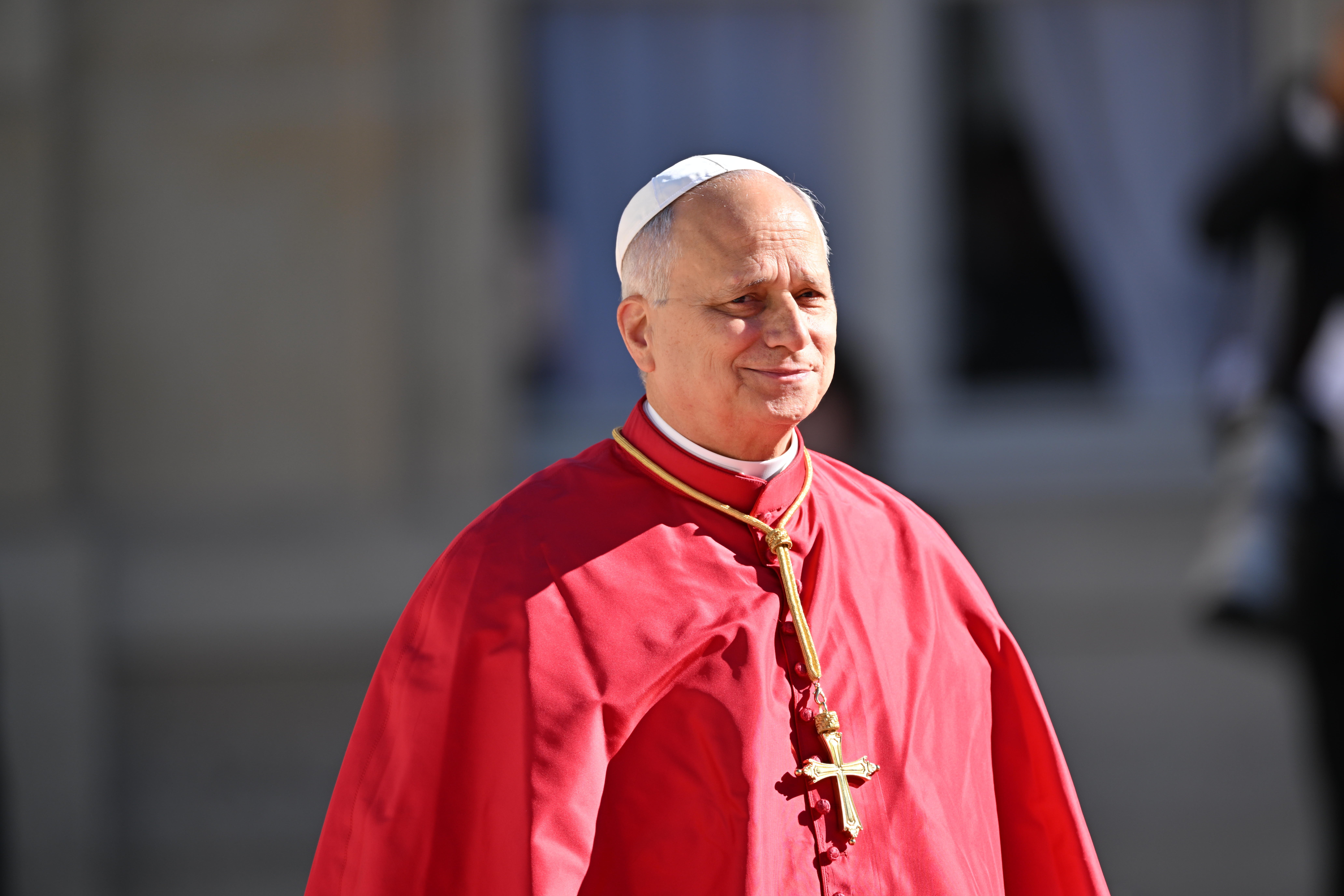
Pope Leo XIV is scheduled to have an operation this week to remove “a localized nodule” in his lung that was “detected at a very early stage.” It is the first medical event of his 17-month papacy.
The Vatican said he will be admitted to Rome’s Gemelli hospital on Tuesday, and predicted a weeklong recovery.
Here is what to know about nodules and what we know about the pontiff’s case:
What are lung nodules and are they cancerous?
A lung nodule is a small abnormal area measuring less than 3 centimeters (about 1.2 inches) across. It is sometimes detected on a CT scan performed to investigate another problem, such as trauma or a lung infection, according to the American Cancer Society. Experts say the nodule could be benign, not cancerous, or malignant, cancerous, and that prompt evaluation is important. Most nodules — around 95% — are benign, according to the American Lung Association. It’s unclear whether the pope had a biopsy of his nodule after the tests.
What causes nodules?
Nodules can be caused by a number of factors, including smoking, irritants such as air pollution and diseases such as rheumatoid arthritis and cancer, according to the American Lung Association. They can also be caused by scar tissue from a previous infection and a previous histoplasmosis or tuberculosis infection.
Leo, 71, is considered otherwise healthy and physically fit, both positive factors for his recovery. He said the nodule was discovered during “recent medical tests,” and the Vatican said Monday that no particular health issue prompted the check-up, describing it as “routine.”
What are the risks associated with nodules?
Different factors affect lung cancer risk such as the nodule size, density and location, as well as the patient’s age, smoking status and family history of cancer.
If the nodule is cancerous and removed at an early stage, the prognosis is “excellent,” and surgery alone may be sufficient treatment, said Dr. Stephen Liu, a lung cancer expert at Georgetown’s Lombardi Comprehensive Cancer Center.
Pope will undergo surgery followed by a week of recovery
The Vatican said Leo will be admitted to the hospital on Tuesday in the late morning and undergo surgery in the first days of this week.Oncologists who aren’t treating him said patients can often be discharged after just a few days, to recover further at home.
The exact date of surgery wasn’t released, but Leo had a full slate of audiences and appointments Monday morning and afternoon.
The pope will be treated at Rome’s Gemelli hospital, formally known as the Agostino Gemelli Polyclinic, a nonprofit Catholic teaching hospital that is part of the Catholic Sacred Heart University. The facility has a special apartment set up for pontiffs on the 10th floor that includes a private chapel. Leo’s immediate predecessor, Pope Francis, was treated there before his May 2025 death during a long illness prompted by a respiratory crisis.
St. John Paul II spent so much time at Gemelli that he called it “Vatican III,” after the Vatican itself and the papal summer residence at Castel Gandolfo.
Pope Leo’s upcoming schedule and a trip in question
Leo has several activities scheduled this week.
In addition to his regular meetings, he was due to celebrate a public Mass on Wednesday to close a weeklong conference on family ministry. It wasn’t known if someone else would celebrate the Mass.
Leo also has a major trip planned Nov. 6-17 to Uruguay, Argentina and Peru. It is unclear whether the surgery and recovery will affect the ambitious itinerary, which includes a dozen flights, two helicopter rides and significant altitude changes in Peru. Leo said earlier in his remarks Sunday that he still planned to make the trip.
After two days of voting, Robert Francis Prevost becomes the first pope from the United States in history. But what does his name ‘Leo’ signify?
Who takes over if the Pope becomes incapacitated?
The Vatican has no specific rules governing who takes over if a pope becomes totally incapacitated. Even while unconscious during surgery, Leo remains pope and retains his authority.
Pope Francis remained in charge throughout his lengthy hospitalizations, as did St. John Paul II before him. Both made appointments and issued laws and statements from the hospital. A team of officials already handles day-to-day Vatican operations.
Medical advances and popes’ longer lifespans, however, have highlighted this gap in church law and prompted calls for the Vatican to prepare for a pope becoming too ill or incapacitated to govern.
Two days before revealing his planned surgery, Leo confirmed one significant appointment. On Friday, he approved Filipino Cardinal Luis Antonio Tagle as the new dean of the College of Cardinals. Tagle, 69, replaces Cardinal Giovanni Battista Re, 92, whose term Francis extended in the weeks before his death.
The dean plays a significant role in a papal transition. He presides over the previous pope’s funeral and helps lead the cardinals’ closed-door meetings before the conclave to discuss the church’s future needs. If he is under 80 when the conclave begins, he also presides over the secret election of a new pope in the Sistine Chapel.
The Vatican released a letter Leo wrote to Re on Sunday — the day of his announcement — thanking him for his lifelong service to the church. He noted in particular the role that Re played in the recent papal transition, when he celebrated Francis’ funeral.
“I do not think I am mistaken in saying that you, Your Eminence, have been and remain one of the Holy See’s best-known and most esteemed servants,” Leo wrote.
___
Barry reported from Milan.